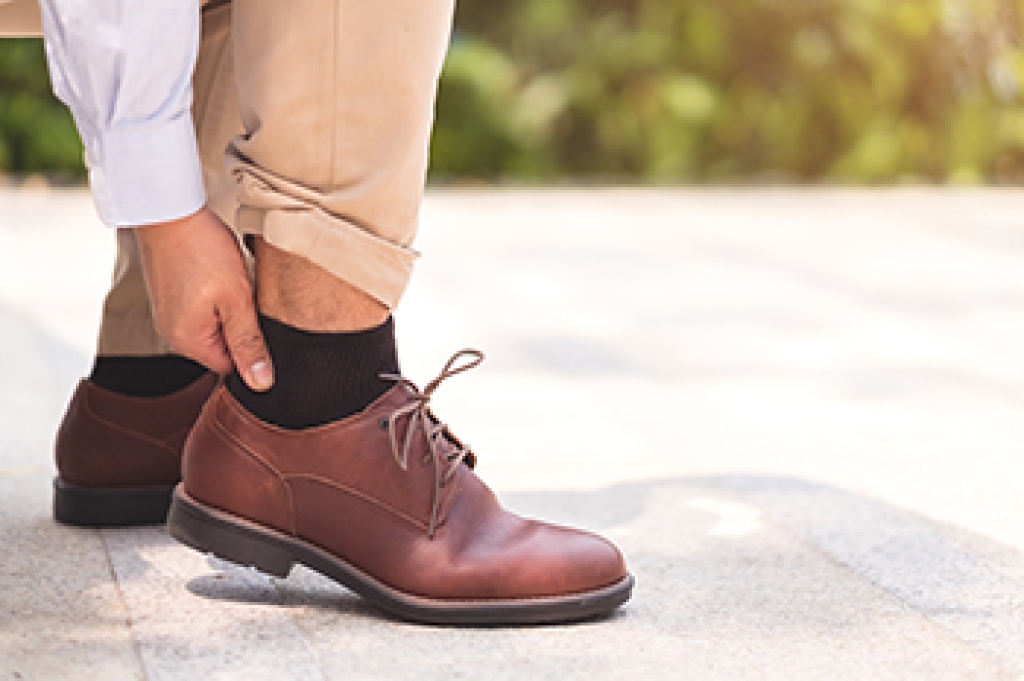
The Slow Shift at the Big Toe

Bunions often develop gradually, starting as a small bump at the base of the big toe and slowly changing the shape of the foot. The bunion looks like a bony prominence forming as the toe pushes inward, and it may appear red or swollen. It can feel tender, stiff, or painful, especially when wearing tight shoes or walking long distances. Common causes include inherited foot structure, arthritis, and footwear that crowds the toes. A podiatrist begins with a careful exam and imaging when needed to confirm the diagnosis and assess joint alignment. Treatment may involve custom orthotics to improve support, padding, or shoe modifications to reduce pressure, and targeted exercises to maintain flexibility. In more advanced cases, surgical options may be discussed. Early care can slow progression and improve comfort. If you have a bunion, it is suggested that you make an appointment with a podiatrist.

If you are suffering from bunions, contact one of our podiatrists of Associates in Podiatry, PC. Our doctors can provide the care you need to keep you pain-free and on your feet.

What Is a Bunion?

A bunion is formed of swollen tissue or an enlargement of boney growth, usually located at the base joint of the toe that connects to the foot. The swelling occurs due to the bones in the big toe shifting inward, which impacts the other toes of the foot. This causes the area around the base of the big toe to become inflamed and painful.

Why Do Bunions Form?

Genetics – Susceptibility to bunions are often hereditary

Stress on the feet – Poorly fitted and uncomfortable footwear that places stress on feet, such as heels, can worsen existing bunions

How Are Bunions Diagnosed?

Podiatrists often perform two tests – blood tests and x-rays – when trying to diagnose bunions, especially in the early stages of development. Blood tests help determine if the foot pain is being caused by something else, such as arthritis, while x-rays provide a clear picture of your bone structure to your provider.

How Are Bunions Treated?

  • Refrain from wearing heels or similar shoes that cause discomfort
  • Select wider shoes that can provide more comfort and reduce pain
  • Anti-inflammatory and pain management drugs
  • Orthotics or foot inserts
  • Surgery

If you have any questions, please feel free to contact our offices located in Pittsburgh-South Hills, and Pittsburgh-Bellevue, PA . We offer the newest diagnostic and treatment technologies for all your foot care needs.

Read more about What Are Bunions?

Athlete’s Foot and How It Differs from Eczema

Athlete’s foot is a fungal infection that affects the skin of the feet, often causing peeling, itching, redness, and a burning sensation. Eczema is a noninfectious skin condition that creates dry, scaly, or inflamed patches and may cause intense itching without the presence of fungus. Athlete’s foot commonly appears between the toes, while eczema can affect any area of the foot and often feels rough or irritated rather than burning. A podiatrist can perform an examination to determine the correct diagnosis, provide antifungal treatment for athlete’s foot, or guide soothing care for eczema. If you are unsure about a persistent foot rash, it is suggested that you consult a podiatrist who can accurately diagnose and offer effective relief and treatment solutions.

Athlete’s foot is an inconvenient condition that can be easily reduced with the proper treatment. If you have any concerns about your feet and ankles, contact one of our podiatrists from Associates in Podiatry, PC.  Our doctors will treat your foot and ankle needs.

Athlete’s Foot: The Sole Story

Athlete's foot, also known as tinea pedis, can be an extremely contagious foot infection. It is commonly contracted in public changing areas and bathrooms, dormitory style living quarters, around locker rooms and public swimming pools, or anywhere your feet often come into contact with other people.

Solutions to Combat Athlete’s Foot

  • Hydrate your feet by using lotion
  • Exfoliate
  • Buff off nails
  • Use of anti-fungal products
  • Examine your feet and visit your doctor if any suspicious blisters or cuts develop

Athlete’s foot can cause many irritating symptoms such as dry and flaking skin, itching, and redness. Some more severe symptoms can include bleeding and cracked skin, intense itching and burning, and even pain when walking. In the worst cases, Athlete’s foot can cause blistering as well. Speak to your podiatrist for a better understanding of the different causes of Athlete’s foot, as well as help in determining which treatment options are best for you.

If you have any questions please feel free to contact our offices located in Pittsburgh-South Hills, and Pittsburgh-Bellevue, PA . We offer the newest diagnostic and treatment technologies for all your foot and ankle needs.
Read more about How to Deal with Athlete's Foot

The Importance of Diabetic Foot Care With Podiatric Help

Diabetes is a chronic condition that affects how the body regulates blood sugar, and it can have serious effects on foot health. Diabetic foot problems develop when prolonged high blood sugar damages nerves and blood vessels in the feet. Loss of sensitivity may prevent a person from noticing cuts, blisters, or pressure points, allowing infections to form and worsen without early treatment. Additionally, limited blood supply can slow healing and increase the risk of ulcers and complications. A podiatrist plays a critical role in diabetic foot care by performing regular foot exams, treating wounds, managing infections, and providing guidance on proper footwear and daily foot care. If you have diabetes, it is strongly suggested that you are under the care of a podiatrist who can help protect your feet and reduce complications. Proactive podiatric care is essential in supporting long-term mobility and overall health.

Diabetic foot care is important in preventing foot ailments such as ulcers. If you are suffering from diabetes or have any other concerns about your feet, contact one of our podiatrists from Associates in Podiatry, PC. Our doctors can provide the care you need to keep you pain-free and on your feet.

Diabetic Foot Care

Diabetes affects millions of people every year. The condition can damage blood vessels in many parts of the body, especially the feet. Because of this, taking care of your feet is essential if you have diabetes, and having a podiatrist help monitor your foot health is highly recommended.

The Importance of Caring for Your Feet

  • Routinely inspect your feet for bruises or sores.
  • Wear socks that fit your feet comfortably.
  • Wear comfortable shoes that provide adequate support.

Patients with diabetes should have their doctor monitor their blood levels, as blood sugar levels play such a huge role in diabetic care. Monitoring these levels on a regular basis is highly advised.

It is always best to inform your healthcare professional of any concerns you may have regarding your feet, especially for diabetic patients. Early treatment and routine foot examinations are keys to maintaining proper health, especially because severe complications can arise if proper treatment is not applied.

If you have any questions, please feel free to contact our offices located in Pittsburgh-South Hills, and Pittsburgh-Bellevue, PA . We offer the newest diagnostic and treatment technologies for all your foot care needs.

Read more about Diabetic Foot Care

Understanding Clubfoot and Early Care Options

Clubfoot is a congenital foot condition in which a newborn foot appears twisted inward and downward due to abnormal development of muscles, tendons, and bones. Risk increases with family history, limited space in the womb, or certain neuromuscular conditions. Common signs include a visibly rotated foot, stiffness, and differences in calf muscle size as a child grows. Although clubfoot does not cause pain at birth, it can affect walking and long-term mobility if left untreated. A podiatrist plays an important role in early diagnosis and personalized treatment, which may include gentle stretching, casting, bracing, and ongoing monitoring to support healthy foot alignment and function. Early intervention leads to excellent outcomes and improved quality of life. If your child has been born with clubfoot, it is suggested that you include a podiatrist on your health care team to begin a confident path toward proper foot development.

Congenital foot problems require immediate attention to avoid future complications. If you have any concerns, contact one of our podiatrists of Associates in Podiatry, PC. Our doctors can provide the care you need to keep you pain-free and on your feet.

Congenital foot problems are deformities affecting the feet, toes, and/or ankles that children are born with. Some of these conditions have a genetic cause while others just happen. Some specific foot ailments that children may be born with include clubfeet, polydactyly/macrodactyly, and cleft foot. There are several other foot anomalies that can occur congenitally. What all of these conditions have in common is that a child may experience difficulty walking or performing everyday activities, as well as trouble finding footwear that fits their foot deformity. Some of these conditions are more serious than others. Consulting with a podiatrist as early as possible will help in properly diagnosing a child’s foot condition while getting the necessary treatment underway.

What are Causes of Congenital Foot Problem?

A congenital foot problem is one that happens to a child at birth. These conditions can be caused by a genetic predisposition, developmental or positional abnormalities during gestation, or with no known cause.

What are Symptoms of Congenital Foot Problems?

Symptoms vary by the congenital condition. Symptoms may consist of the following:

  • Clubfoot, where tendons are shortened, bones are shaped differently, and the Achilles tendon is tight, causing the foot to point in and down. It is also possible for the soles of the feet to face each other.
  • Polydactyly, which usually consists of a nubbin or small lump of tissue without a bone, a toe that is partially formed but has no joints, or an extra toe.
  • Vertical talus, where the talus bone forms in the wrong position causing other bones in the foot to line up improperly, the front of the foot to point up, and the bottom of the foot to stiffen, with no arch, and to curve out.
  • Tarsal coalition, when there is an abnormal connection of two or more bones in the foot leading to severe, rigid flatfoot.
  • Cleft foot, where there are missing toes, a V-shaped cleft, and other anatomical differences.
  • Macrodactyly, when the toes are abnormally large due to overgrowth of the underlying bone or soft tissue.

Treatment and Prevention

While there is nothing one can do to prevent congenital foot problems, raising awareness and receiving neonatal screenings are important. Early detection by taking your child to a podiatrist leads to the best outcome possible.

If you have any questions, please feel free to contact our offices located in Pittsburgh-South Hills, and Pittsburgh-Bellevue, PA . We offer the newest diagnostic and treatment technologies for all your foot care needs.

Read more about Congenital Foot Problems

Gout Pain Can Be Managed

Gout is a painful, inflammatory form of arthritis. Those affected will typically feel an intense stiffness in the joints of their feet, particularly in the big toe. Schedule a visit to learn about how gout can be managed and treated.

Connect With Us