Foot Exercises While Sitting at Your Desk

Foot exercises performed while sitting at a desk can help maintain strength, flexibility, and circulation in the feet. The feet support body weight, absorb shock, and help with balance during daily movement. When these structures become weak or stiff, larger muscles in the legs must work harder, which can increase fatigue and injury risk. Simple desk exercises may include gently lifting and spreading the toes, raising the arch without curling the toes, or pressing the feet in different directions to activate stabilizing muscles around the ankle. These small muscles play an important role in joint stability, meaning they help keep the foot and ankle properly aligned when walking and standing. A podiatrist can evaluate foot function, identify muscle imbalances, and recommend specific exercises or supportive devices to improve strength and reduce strain. If you spend long hours at work sitting at a desk, it is suggested that you make an appointment with a podiatrist for a targeted exercise program to improve foot health.

Exercising your feet regularly with the proper foot wear is a great way to prevent injuries and build strength. If you have any concerns about your feet, contact one of our podiatrists from Associates in Podiatry, PC. Our doctors can provide the care you need to keep you pain-free and on your feet.

Exercise for Your Feet

Exercise for your feet can help you gain strength, mobility and flexibility in your feet. They say that strengthening your feet can be just as rewarding as strengthening another part of the body. Your feet are very important, and we often forget about them in our daily tasks. But it is because of our feet that are we able to get going and do what we need to. For those of us fortunate enough to not have any foot problems, it is an important gesture to take care of them to ensure good health in the long run.

Some foot health exercises can include ankle pumps, tip-toeing, toe rises, lifting off the floor doing reps and sets, and flexing the toes. It is best to speak with Our doctors to determine an appropriate regimen for your needs. Everyone’s needs and bodies are different, and the activities required to maintain strength in the feet vary from individual to individual. 

Once you get into a routine of doing regular exercise, you may notice a difference in your feet and how strong they may become.

If you have any questions, please feel free to contact our offices located in Pittsburgh-South Hills, and Pittsburgh-Bellevue, PA . We offer the newest diagnostic and treatment technologies for all your foot care needs.

Read more about Exercise for Your Feet

Why Do Foot Stress Fractures Happen?

Foot stress fractures are small, hairline cracks in the bones that develop from repeated pressure rather than a single injury. They often occur in sports that involve running and jumping, where continuous impact places strain on the feet. Repetitive stress without enough recovery time can weaken bone structure over time. Risk factors include a sudden increase in exercise intensity, improper footwear, and poor foot support. Symptoms may include pain that worsens with activity and improves with rest. A podiatrist can diagnose a stress fracture through imaging, provide treatment, and recommend prevention strategies. If you have symptoms of a foot stress fracture, it is suggested that you consult a podiatrist who can offer effective relief and treatment solutions.

Activities where too much pressure is put on the feet can cause stress fractures. To learn more, contact one of our podiatrists from Associates in Podiatry, PC. Our doctors can provide the care you need to keep your pain free and on your feet.

Dealing with Stress Fractures of the Foot and Ankle

Stress fractures occur in the foot and ankle when muscles in these areas weaken from too much or too little use.  The feet and ankles then lose support when walking or running from the impact of the ground. Since there is no protection, the bones receive the full impact of each step. Stress on the feet can cause cracks to form in the bones, thus creating stress fractures.

What Are Stress Fractures?

Stress fractures occur frequently in individuals whose daily activities cause great impact on the feet and ankles. Stress factors are most common among:

  • Runners                                
  • People affected with Osteoporosis
  • Tennis or basketball players
  • Gymnasts
  • High impact workouts

Symptoms

Pain from the fractures occur in the area of the fractures and can be constant or intermittent. It will often cause sharp or dull pain with swelling and tenderness. Engaging in any kind of activity which involves high impact will aggravate pain.

If you have any questions please contact our offices located in Pittsburgh-South Hills, and Pittsburgh-Bellevue, PA . We offer the newest diagnostic and treatment technologies for all your foot and ankle needs.

Read more about Dealing with Stress Fractures of the Foot and Ankle

Recognizing Toenail Fungus

Toenail fungus is a common infection that affects the nails of the feet. It develops when tiny living organisms called fungi enter the nail through small cracks in the nail or surrounding skin. These organisms grow best in warm, moist places, which makes the inside of shoes an ideal environment. Early signs of toenail fungus include yellow, white, or brown discoloration of the nail. The nail may also become thick, brittle, or crumbly. In some cases, the nail may begin to separate from the skin beneath it, which can cause discomfort when wearing shoes. Although the infection may start as a minor cosmetic concern, it can gradually worsen and affect more of the nail if it is not treated. A podiatrist is trained to identify toenail fungus and determine the severity of the infection. They can recommend medical treatments that target the infection and help restore nail health. If you notice changes in your toenails, it is suggested that you make an appointment with a podiatrist for an exam, diagnosis, and treatment.

For more information about treatment, contact one of our podiatrists of Associates in Podiatry, PC. Our doctors can provide the care you need to keep you pain-free and on your feet.

Toenail Fungus Treatment

Toenail fungus is a condition that affects many people and can be especially hard to get rid of. Fortunately, there are several methods to go about treating and avoiding it.

Antifungals & Deterrence

Oral antifungal medicine has been shown to be effective in many cases. It is important to consult with a podiatrist to determine the proper regiment for you, or potentially explore other options.

Applying foot powder on the feet and shoes helps keep the feet free of moisture and sweat.

Sandals or open toed shoes – Wearing these will allow air movement and help keep feet dry. They also expose your feet to light, which fungus cannot tolerate. Socks with moisture wicking material also help as well.

If you have any questions please contact our offices located in Pittsburgh-South Hills, and Pittsburgh-Bellevue, PA . We offer the newest diagnostic and treatment technologies for all your foot and ankle needs.

Read more about Toenail Fungus

Causes of Swollen Feet

Swollen feet can develop when fluid builds up in the tissues of the lower extremities. This swelling may be related to several underlying health conditions including diabetes, liver damage, kidney damage, foot infection, or heart failure. These conditions can affect circulation, fluid balance, and tissue health, leading to visible swelling and discomfort in the feet. Risk factors include poor circulation, chronic illness, prolonged standing, and limited physical activity. Symptoms may include tight skin, tenderness, warmth, and difficulty wearing shoes comfortably. Because swelling may signal a more serious health concern, proper evaluation is important. A podiatrist can assess foot health, identify signs of infection or circulation problems, and recommend supportive care. If you are experiencing persistent swelling, it is suggested that you promptly consult a podiatrist who can determine what the cause is, and offer effective relief and management solutions.

Swollen feet can be a sign of an underlying condition. If you have any concerns, contact one of our podiatrists of Associates in Podiatry, PC. Our doctors can provide the care you need to keep you pain-free and on your feet.

Swollen feet are a common ailment among pregnant women and people who stand or sit for extended periods. Aging may increase the possibility of swollen feet and patients who are obese often notice when their feet are swelling too. There may be medical reasons why swollen feet occur:

  • Phlebitis - A condition that causes the veins to become inflamed and can also cause leg pain.
  • Liver disease - This may lead to low blood levels of albumin which is a protein. This can cause fluid in the blood to pass into the tissues and several areas of the body can become swollen.
  • Heart failure - When the heart doesn’t pump properly the blood that is normally pumped back to the heart can pool in the veins of the legs causing swollen feet.
  • Kidney disease - One of the main functions of the kidneys is releasing excess fluid in the body. This type of condition can make it difficult for the kidneys to function properly, and as a result the feet may become swollen.
  • Deep-vein thrombosis (DVT)- This is a serious condition where blood clots form in the veins of the legs. They can block the return of blood from the legs to the heart which may cause the feet to swell. It is important to be treated by a podiatrist if this condition is present.

Swollen feet can also be caused by bone and tendon conditions, including fractures, arthritis, and tendinitis. Additionally, there may be skin and toenail conditions and an infection may cause the feet to swell. Patients who take medicine to treat high blood pressure may be prone to getting swollen feet. 

Many patients elevate their feet to help relieve the swelling and this is generally a temporary remedy. When a podiatrist is consulted the reason behind the swelling can be uncovered and subsequently treated.

If you have any questions please contact our offices located in Pittsburgh-South Hills, and Pittsburgh-Bellevue, PA . We offer the newest diagnostic and treatment technologies for all your foot and ankle needs.

Read more about Swelling of the Feet

Are You Suffering From Ingrown Toenails?

If left untreated, an ingrown toenail can lead to more serious concerns, such as an infection. Knowing proper nail care can help in the prevention of an ingrown toenail. Give us a call, and get treated!

Big Toe Pain

Osteoarthritis in the big toe, often called hallux rigidus, occurs when the cartilage in the joint at the base of the toe gradually wears down. This joint plays an important role in walking, especially during push-off. Over time, repeated stress, prior injury, or inherited foot structure can lead to joint damage. Patients often notice pain and stiffness in the big toe, particularly when bending it upward. The joint may appear swollen, enlarged, or develop a visible bump from bone spurs. Shoes with a narrow toe box can make the discomfort worse, and walking or running may become difficult. As the condition progresses, motion in the joint becomes limited and the pain may increase. A podiatrist can evaluate the joint, obtain imaging if needed, and determine the stage of arthritis. Treatment may include shoe modifications, custom orthotics, anti-inflammatory care, and targeted exercises. In advanced cases, surgical options may be discussed. If you have osteoarthritis in the big toe, it is suggested that you make an appointment with a podiatrist for proper evaluation and care.

Toe pain can disrupt your daily activities. If you have any concerns, contact one of our podiatrists of Associates in Podiatry, PC. Our doctors can provide the care you need to keep you pain-free and on your feet.

What Causes Toe Pain?

Most severe toe pain is caused due to a sports injury, trauma from dropping something heavy on the toe, or bumping into something rigid. Other problems can develop over time for various reasons.

Toe pain can be caused by one or more ailments. The most common include:

  • Trauma
  • Sports injury
  • Wearing shoes that are too tight
  • Arthritis
  • Gout
  • Corns and calluses
  • Hammertoe
  • Bunions
  • Blisters
  • Ingrown toenails
  • Sprains
  • Fractures (broken bones)
  • Dislocations

When to See a Podiatrist

  • Severe pain
  • Persistent pain that lasts more than a week
  • Signs of infection
  • Continued swelling
  • Pain that prevents walking

Diagnosis

In many cases the cause of toe pain is obvious, but in others, a podiatrist may want to use more advanced methods to determine the problem. These can range from simple visual inspections and sensation tests to X-rays and MRI scans. Prior medical history, family medical history, and any recent physical traumatic events will all be taken into consideration for a proper diagnosis.

Treatment

Treatments for toe pain and injuries vary and may include shoe inserts, padding, taping, medicines, injections, and in some cases, surgery. If you believe that you have broken a toe, please see a podiatrist as soon as possible.

If you have any questions please contact our offices located in Pittsburgh-South Hills, and Pittsburgh-Bellevue, PA . We offer the newest diagnostic and treatment technologies for all your foot and ankle needs.

Read more about Toe Pain

Cracked Heels and Podiatric Care for Relief

Cracked heels are a common foot condition in which the skin surrounding the heel becomes dry, thickened, and split. This occurs when the skin loses moisture and elasticity, making it less able to withstand pressure when standing and walking. Weather changes, especially cold or dry climates, can worsen dryness and contribute to skin breakdown. Symptoms include rough skin, flaking, itching, discomfort, and, in more severe cases, painful fissures that may bleed. Risk factors include prolonged standing, wearing open back footwear, obesity, and underlying medical conditions that affect skin health. A podiatrist can assess the severity, provide professional treatment, and recommend proper skin care. If you have cracked or bleeding heels, it is strongly suggested that you consult a podiatrist who can offer effective treatment solutions, which may include prescribed medication.

Cracked heels are unsightly and can cause further damage to your shoes and feet. If you have any concerns, contact one of our podiatrists from Associates in Podiatry, PC. Our doctors can provide the care you need to keep you pain-free and on your feet.

Cracked Heels

Cracked heels appear unappealing and can make it harder for you walk around in sandals. Aside from looking unpleasant, cracked heels can also tear stockings, socks, and wear out your shoes. There are several methods to help restore a cracked heel and prevent further damage.

How Do You Get Them?

Dry skin is the number one culprit in creating cracked heels. Many athletes, walkers, joggers, and even swimmers suffer from cracked heels. Age and skin oil production play a role to getting cracked heels as well.

Promote Healing

Over the counter medicines can help, especially for those that need instant relief or who suffer from chronic dry feet.

Wear Socks – Wearing socks with medicated creams helps lock in moisture.

Moisturizers – Applying both day and night will help alleviate dryness which causes cracking.

Pumice Stones – These exfoliate and remove dead skin, which allows for smoother moisturizer application and better absorption into the skin. 

Change in Diet

Eating healthy with a well-balanced diet will give the skin a fresh and radiant look. Your body responds to the kinds of food you ingest. Omega-3 fatty acids and zinc supplements can also revitalize skin tissue.

Most importantly, seek professional help if unsure how to proceed in treating cracked heels. A podiatrist will help you with any questions or information needed. 

If you have any questions, please feel free to contact our offices located in Pittsburgh-South Hills, and Pittsburgh-Bellevue, PA . We offer the newest diagnostic and treatment technologies for all your foot care needs.

Read more about Solutions for Cracked Heels

How Rheumatoid Arthritis Affects the Feet and Ankles

Rheumatoid arthritis, or RA, is an autoimmune condition that causes the immune system to attack the lining of the joints, leading to chronic inflammation. The feet and ankles are commonly affected because they contain many small joints that bear body weight. Persistent swelling, pain, warmth, and stiffness may develop, especially in the morning or after rest. In the midfoot, inflammation can lead to collapse of the arch and difficulty walking. In the hindfoot and ankle, joint damage may cause instability, limited motion, and progressive deformity. Over time, untreated inflammation can significantly affect mobility and quality of life. If you have symptoms of RA in your feet, it is suggested that you consult a podiatrist who can monitor joint health, provide supportive orthotics, and recommend appropriate treatment.  

Because RA affects more than just your joints, including the joints in your feet and ankles, it is important to seek early diagnosis from your podiatrist if you feel like the pain in your feet might be caused by RA. For more information, contact one of our podiatrists of Associates in Podiatry, PC. Our doctors will assist you with all of your podiatric concerns.

What Is Rheumatoid Arthritis?

Rheumatoid Arthritis (RA) is an autoimmune disorder in which the body’s own immune system attacks the membranes surrounding the joints. Inflammation of the lining and eventually the destruction of the joint’s cartilage and bone occur, causing severe pain and immobility.

Rheumatoid Arthritis of the Feet

Although RA usually attacks multiple bones and joints throughout the entire body, almost 90 percent of cases result in pain in the foot or ankle area.

Symptoms

  • Swelling and pain in the feet
  • Stiffness in the feet
  • Pain on the ball or sole of feet
  • Joint shift and deformation

Diagnosis

Quick diagnosis of RA in the feet is important so that the podiatrist can treat the area effectively. Your doctor will ask you about your medical history, occupation, and lifestyle to determine the origin of the condition. Rheumatoid Factor tests help to determine if someone is affected by the disease.

If you have any questions, please feel free to contact our offices located in Pittsburgh-South Hills, and Pittsburgh-Bellevue, PA . We offer the newest diagnostic and treatment technologies for all your foot care needs.

Read more about Rheumatoid Arthritis in the Feet

When a Twisted Step Leads to Lasting Pain

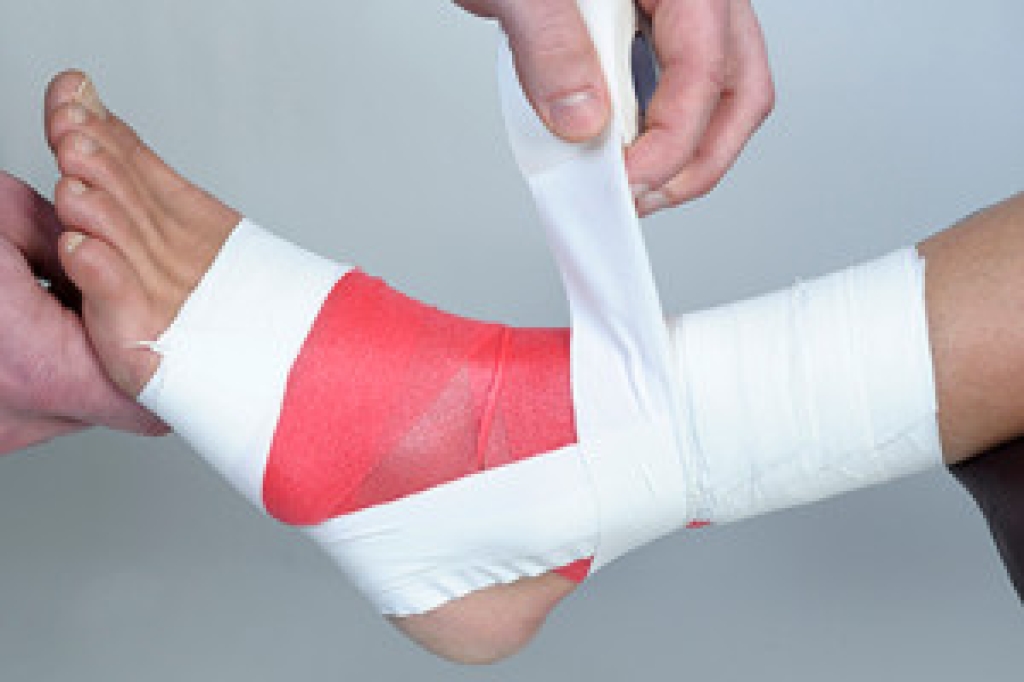
A sprained ankle occurs when the ligaments that support the ankle are stretched or torn, often caused by a sudden twist, uneven surfaces, sports activity, or a simple misstep. Symptoms include swelling, pain, and difficulty bearing weight. The ankle may look puffy or discolored and can feel stiff, weak, or unstable, with pain ranging from mild soreness to sharp discomfort during movement. A podiatrist can help by beginning with a detailed examination and imaging when needed to determine the severity of the injury. Early diagnosis is important to rule out fractures and guide proper care. Treatment may start with protection and swelling control, followed by bracing, footwear guidance, and targeted exercises to restore strength and flexibility. More severe sprains may require advanced care to prevent chronic instability. Proper treatment supports healing and reduces the risk of repeat injury. If you have a sprained ankle, it is suggested that you make an appointment with a podiatrist.

Although ankle sprains are common, they aren’t always minor injuries. If you need your ankle injury looked at, contact one of our podiatrists from Associates in Podiatry, PC. Our doctors can provide the care you need to keep you pain-free and on your feet.

How Does an Ankle Sprain Occur?

Ankle sprains are the result of a tear in the ligaments within the ankle. These injuries may happen when you make a rapid shifting movement while your foot is planted. A less common way to sprain your ankle is when your ankle rolls inward while your foot turns outward.

What Are the Symptoms?

  • Pain at the sight of the tear
  • Bruising/Swelling
  • Ankle area is tender to touch
  • In severe cases, may hear/feel something tear
  • Skin discoloration

Preventing a Sprain

  • Wearing appropriate shoes for the occasion
  • Stretching before exercises and sports
  • Knowing your limits

Treatment of a Sprain

In many cases, the RICE method (Rest, Ice, Compression, and Elevate) is used to treat ankle sprains. However, you should see a podiatrist to see which treatment option would work best with your injury. In severe cases, surgery may be required.

It is important to ask your doctor about rehab options after you receive treatment for your injury. Stretching, strength training, and balance exercises may help the ankle heal while also preventing further injury.

If you have any questions, please feel free to contact our offices located in Pittsburgh-South Hills, and Pittsburgh-Bellevue, PA . We offer the newest diagnostic and treatment technologies for all your foot care needs.

Read more about Ankle Sprains

Causes of Pain in the Bottom of the Foot

Pain in the bottom of the foot can come from several conditions that affect comfort and movement. A sprain may cause swelling and tenderness after sudden twisting. Morton's neuroma creates burning or tingling near the toes due to nerve irritation. Plantar fasciitis leads to sharp heel pain that is worse in the morning. Flat feet can cause aching along the arch from poor support. Each condition has unique symptoms, but all can limit daily activities. A podiatrist can perform a thorough evaluation, provide custom treatment, and recommend supportive footwear or orthotics to reduce strain and improve function. If you have ongoing foot pain, it is suggested that you consult a podiatrist who can determine what the cause is, and offer effective treatment solutions.

Foot Pain

Foot pain can be extremely painful and debilitating. If you have a foot pain, consult with one of our podiatrists from Associates in Podiatry, PC. Our doctors will assess your condition and provide you with quality foot and ankle treatment.

Causes

Foot pain is a very broad condition that could be caused by one or more ailments. The most common include:

  • Bunions
  • Hammertoes
  • Plantar Fasciitis
  • Bone Spurs
  • Corns
  • Tarsal Tunnel Syndrome
  • Ingrown Toenails
  • Arthritis (such as Gout, Rheumatoid, and Osteoarthritis)
  • Flat Feet
  • Injury (from stress fractures, broken toe, foot, ankle, Achilles tendon ruptures, and sprains)
  • And more

Diagnosis

To figure out the cause of foot pain, podiatrists utilize several different methods. This can range from simple visual inspections and sensation tests to X-rays and MRI scans. Prior medical history, family medical history, and any recent physical traumatic events will all be taken into consideration for a proper diagnosis.

Treatment

Treatment depends upon the cause of the foot pain. Whether it is resting, staying off the foot, or having surgery; podiatrists have a number of treatment options available for foot pain.

If you have any questions, please feel free to contact our offices located in Pittsburgh-South Hills, and Pittsburgh-Bellevue, PA . We offer the newest diagnostic and treatment technologies for all your foot care needs.

Read more about Foot Pain

Connect With Us