Recognizing Signs of Foot and Ankle Trauma

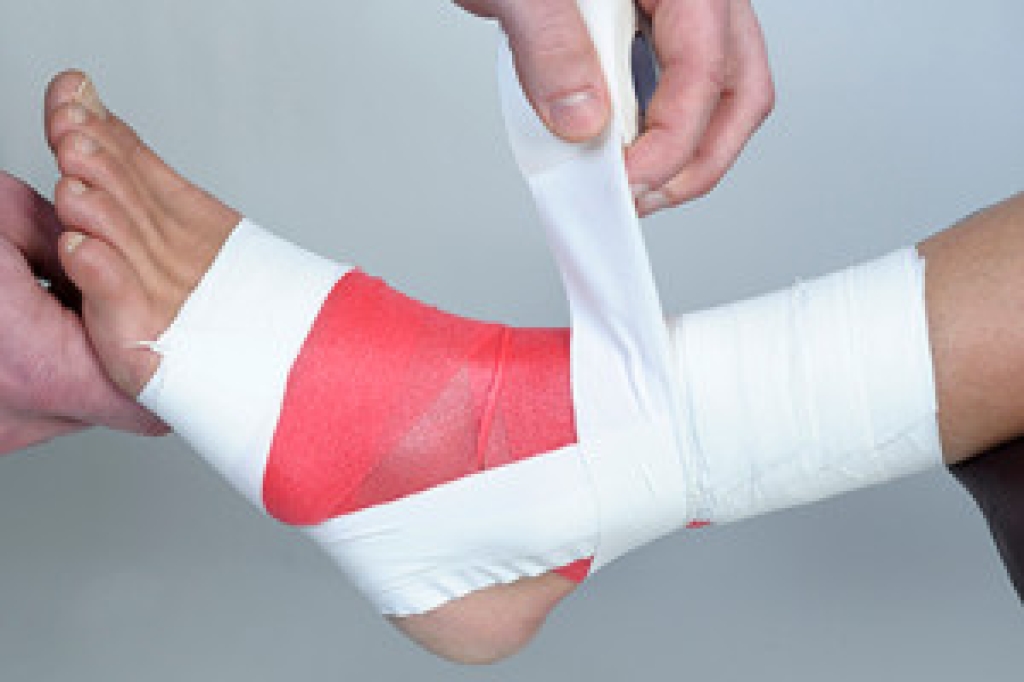
Foot and ankle trauma refers to injuries that occur when the structures of the foot or ankle are damaged by a sudden force or impact. These injuries can result from falls, sports activities, motor vehicle accidents, or other traumatic events. Because the feet and ankles support body weight and play a critical role in movement, even a seemingly minor injury can affect mobility and daily function. Common symptoms of foot and ankle trauma include pain, swelling, bruising, and difficulty walking. Depending on the severity of the injury, trauma may involve bones, joints, or other soft tissues. Prompt evaluation is important to determine the extent of the injury and reduce the risk of long-term complications.


Foot and ankle trauma can range from mild sprains to more serious injuries, such as fractures or joint damage. In some cases, symptoms appear immediately after the injury, while others may develop over several hours. Pain and swelling can make it difficult to bear weight on the affected foot or ankle, limiting normal activities and independence. If injuries are not properly evaluated, they may lead to ongoing discomfort, instability, or changes in walking patterns. Altered movement can place additional stress on nearby joints and tissues, potentially increasing the risk of future problems. Understanding the nature of the injury is an important step in supporting proper recovery and restoring normal function.


Podiatric care plays an important role in the diagnosis and management of foot and ankle trauma. A podiatrist can perform a thorough evaluation to identify the structures involved and determine the most appropriate treatment approach. Professional care may help address pain, improve mobility, and support the healing process. Podiatrists are trained to manage a wide range of foot and ankle injuries and can help patients regain function while reducing the risk of complications. Early intervention is often beneficial for achieving the best possible outcome. If you are experiencing foot or ankle trauma, it is suggested that you consult a podiatrist for an evaluation and appropriate treatment options

Foot and ankle trauma is common among athletes and the elderly. If you have concerns that you may have experienced trauma to the foot and ankle, consult with one of our podiatrists from Associates in Podiatry, PC. Our doctors will assess your condition and provide you with quality foot and ankle treatment.

Foot and ankle trauma cover a range of injuries all over the foot; common injuries include:

  • Broken bones
  • Muscle strains
  • Injuries to the tendons and ligaments
  • Stress fractures

Symptoms

Symptoms of foot and ankle injuries vary depending on the injury, but more common ones include:

  • Bruising
  • Inflammation/ Swelling
  • Pain

Diagnosis

To properly diagnose the exact type of injury, podiatrists will conduct a number of different tests. Some of these include sensation and visual tests, X-rays, and MRIs. Medical and family histories will also be taken into account.

Treatment

Once the injury has been diagnosed, the podiatrist can than offer the best treatment options for you. In less severe cases, rest and keeping pressure off the foot may be all that’s necessary. Orthotics, such as a specially made shoes, or immobilization devices, like splints or casts, may be deemed necessary. Finally, if the injury is severe enough, surgery may be necessary.

If you have any questions, please feel free to contact our offices located in Pittsburgh-South Hills, and Pittsburgh-Bellevue, PA . We offer the newest diagnostic and treatment technologies for all your foot care needs.

Read more about Foot and Ankle Fractures

Neuropathy of the Feet

Neuropathy in the feet, also called peripheral neuropathy, happens when the nerves that carry messages between the feet and the brain become damaged. This can affect feeling, movement, or both. Symptoms often begin gradually and may include numbness, tingling, or a burning sensation in the feet. Some people also experience sharp pain or find it difficult to feel heat, cold, or injuries. Because sensation is reduced, cuts, blisters, or sores may go unnoticed and become more serious. Neuropathy is commonly linked to diabetes, but it can also have other causes. Early diagnosis is important because nerve damage may worsen if the underlying problem is not identified and managed.


A podiatrist plays an important role in protecting foot health when neuropathy is present. During an examination, the podiatrist checks sensation, circulation, and overall foot function. They also look for skin changes, pressure areas, or wounds that may have developed without being noticed. Treatment depends on the cause and severity of the condition. A podiatrist may recommend medical treatments, custom orthotics, or other measures to reduce pressure on vulnerable areas of the feet. Regular evaluations also help identify changes early and lower the risk of complications that could affect mobility.


Professional neuropathy treatment and podiatry care can help protect the feet and reduce the risk of long-term problems. Early care may improve comfort, support safer movement, and help prevent complications caused by reduced feeling in the feet. A podiatrist can also work with your healthcare team to monitor changes and provide treatment as your needs change. Prompt evaluation is especially important if symptoms continue to worsen or begin affecting your balance and walking. If you have numbness, tingling, or burning in your feet, it is suggested that you consult a podiatrist for an evaluation.

Neuropathy

Neuropathy can be a potentially serious condition, especially if it is left undiagnosed. If you have any concerns that you may be experiencing nerve loss in your feet, consult with one of our podiatrists from Associates in Podiatry, PC. Our doctors will assess your condition and provide you with quality foot and ankle treatment for neuropathy.

What Is Neuropathy?

Neuropathy is a condition that leads to damage to the nerves in the body. Peripheral neuropathy, or neuropathy that affects your peripheral nervous system, usually occurs in the feet. Neuropathy can be triggered by a number of different causes. Such causes include diabetes, infections, cancers, disorders, and toxic substances.

Symptoms of Neuropathy Include:

  • Numbness
  • Sensation loss
  • Prickling and tingling sensations
  • Throbbing, freezing, burning pains
  • Muscle weakness

Those with diabetes are at serious risk due to being unable to feel an ulcer on their feet. Diabetics usually also suffer from poor blood circulation. This can lead to the wound not healing, infections occurring, and the limb may have to be amputated.

Treatment

To treat neuropathy in the foot, podiatrists will first diagnose the cause of the neuropathy. Figuring out the underlying cause of the neuropathy will allow the podiatrist to prescribe the best treatment, whether it be caused by diabetes, toxic substance exposure, infection, etc. If the nerve has not died, then it’s possible that sensation may be able to return to the foot.

Pain medication may be issued for pain. Electrical nerve stimulation can be used to stimulate nerves. If the neuropathy is caused from pressure on the nerves, then surgery may be necessary.

If you have any questions, please feel free to contact our offices located in Pittsburgh-South Hills, and Pittsburgh-Bellevue, PA . We offer the newest diagnostic and treatment technologies for all your foot care needs.

Read more about Neuropathy

It's Time for Beautiful Feet

You don't need an excuse to have beautiful nails. Step outside without worrying about the appearance of your feet.

The Link Between Skin Hydration and Foot Blisters

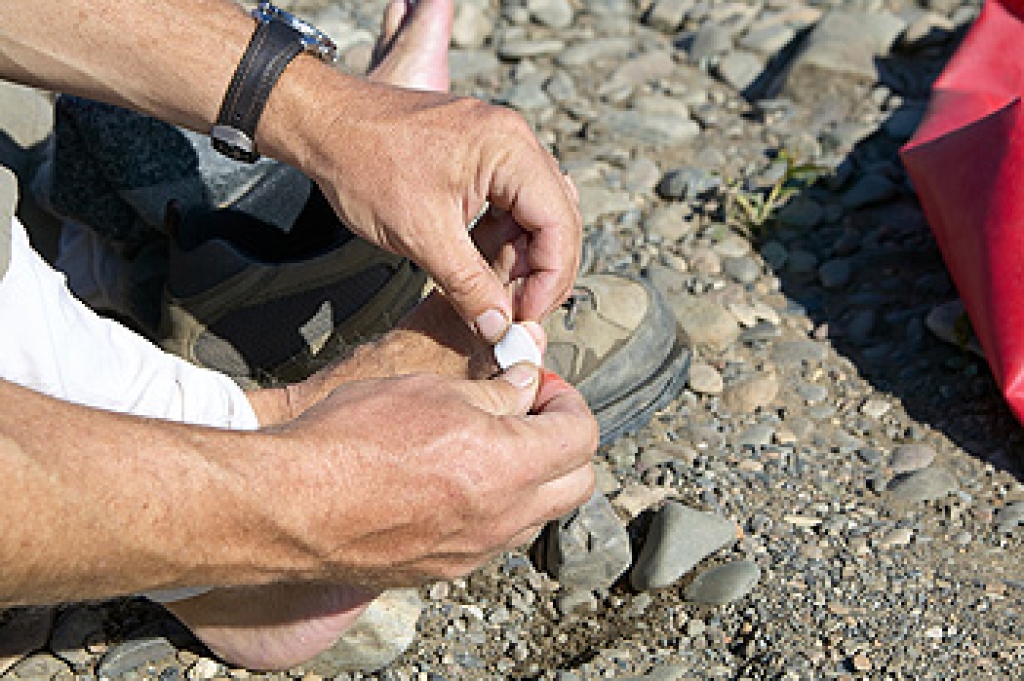
Foot blisters are a common issue for hikers and can quickly turn an enjoyable outing into a painful experience. A blister is a fluid-filled pocket that forms between layers of skin due to repeated friction, heat, and pressure. When hiking, the forefoot and heel are especially vulnerable because they hold most of the body weight and experience constant motion within the shoe. Skin hydration level plays a critical role in blister formation, as both overly dry and overly moist skin can increase friction and reduce the skin’s ability to resist shear forces.

Symptoms of foot blisters include redness, tenderness, and the development of a raised fluid filled area. In early stages, hikers may notice hot spots, which are areas of irritation that signal an impending blister. When the forefoot and heel are exposed to repeated stress, these hot spots can progress into painful blisters that make walking difficult. Hydrated zones of the foot, where moisture levels are balanced, are better able to withstand friction. However, excessive sweating can soften the skin, making it more prone to breakdown, while dry skin can crack and increase susceptibility to injury.


Risk factors for foot blisters include ill-fitting footwear, long hiking distances, and inadequate moisture control. Socks that do not wick moisture effectively can trap sweat and create a damp environment. Uneven terrain and downhill walking increase pressure on the forefoot, while uphill climbs place more strain on the heel. Poorly conditioned skin that is not accustomed to long hikes is also more likely to develop blisters. Understanding the relationship between hydration and friction is essential for prevention.


Preventing foot blisters involves maintaining proper skin hydration, wearing well fitting shoes, and using moisture wicking socks. Applying protective padding to high-risk areas like the heel and forefoot can reduce friction. Gradually increasing hiking intensity allows the skin to adapt and become more resilient. If you have frequent foot blisters from hiking, it is suggested that you consult a podiatrist for effective management and prevention tips.

Blisters may appear as a single bubble or in a cluster. They can cause a lot of pain and may be filled with pus, blood, or watery serum. If your feet are hurting, contact one of our podiatrists of Associates in Podiatry, PC. Our doctors can provide the care you need to keep you pain-free and on your feet.

Foot Blisters

Foot blisters are often the result of friction. This happens due to the constant rubbing from shoes, which can lead to pain.

What Are Foot Blisters?

A foot blister is a small fluid-filled pocket that forms on the upper-most layer of the skin. Blisters are filled with clear fluid and can lead to blood drainage or pus if the area becomes infected.

Symptoms

(Blister symptoms may vary depending on what is causing them)

  • Bubble of skin filled with fluid
  • Redness
  • Moderate to severe pain
  • Itching

Prevention & Treatment

In order to prevent blisters, you should be sure to wear comfortable shoes with socks that cushion your feet and absorb sweat. Breaking a blister open may increase your chances of developing an infection. However, if your blister breaks, you should wash the area with soap and water immediately and then apply a bandage to the affected area. If your blisters cause severe pain it is important that you call your podiatrist right away.

If you have any questions, please feel free to contact our offices located in Pittsburgh-South Hills, and Pittsburgh-Bellevue, PA . We offer the newest diagnostic and treatment technologies for all your foot care needs.

Read more about Blisters on the Feet

Foot Problems Linked to Playing Golf

Golf places repeated stress on the feet and ankles because each swing requires twisting, pivoting, and shifting body weight. A long round means steps on grass, hills, and uneven ground. These movements can lead to heel pain, ball-of-foot pain, or soreness under the big toe joint. Heel pain can feel sharp with the first steps in the morning. Pain in the ball of the foot can feel like burning or aching beneath the toes. Pain under the big toe can make it hard to push off during the golf swing or while walking.

Golf can also irritate the back of the heel, the toes, and the side of the ankle. Pain behind the heel can come from strain on the strong tendon that connects the calf to the heel. This pain can worsen when walking uphill or standing for long periods. Some golfers feel sharp pain, tingling, or numbness between the toes when pressure irritates a nerve. Existing bunions can also become more painful from the sideways force of the swing. An ankle sprain can occur when the foot slips, rolls, or twists on uneven ground.

A podiatrist can examine the foot and ankle to find the cause of pain. X-rays and other imaging can help show whether a bone, joint, or soft tissue is injured. Treatment options include supportive shoes, custom orthotics, and bracing to reduce pressure on painful areas. A walking boot can help protect against serious injuries while healing takes place. Anti-inflammatory care can reduce swelling and soreness. A podiatrist can recommend stretching and strengthening exercises to improve balance and foot control. Early treatment can help golfers return to the course with less pain. If you have foot pain after playing golf, it is suggested that you make an appointment with a podiatrist for an exam and treatment options.

Sports related foot and ankle injuries require proper treatment before players can go back to their regular routines. For more information, contact one of our podiatrists of Associates in Podiatry, PC. Our doctors can provide the care you need to keep you pain-free and on your feet.

Sports Related Foot and Ankle Injuries

Foot and ankle injuries are a common occurrence when it comes to athletes of any sport. While many athletes dismiss the initial aches and pains, the truth is that ignoring potential foot and ankle injuries can lead to serious problems. As athletes continue to place pressure and strain the area further, a mild injury can turn into something as serious as a rupture and may lead to a permanent disability. There are many factors that contribute to sports related foot and ankle injuries, which include failure to warm up properly, not providing support or wearing bad footwear. Common injuries and conditions athletes face, including:

  • Plantar Fasciitis
  • Achilles Tendinitis
  • Achilles Tendon Rupture
  • Ankle Sprains

Sports related injuries are commonly treated using the RICE method. This includes rest, applying ice to the injured area, compression and elevating the ankle. More serious sprains and injuries may require surgery, which could include arthroscopic and reconstructive surgery. Rehabilitation and therapy may also be required in order to get any recovering athlete to become fully functional again. Any unusual aches and pains an athlete sustains must be evaluated by a licensed, reputable medical professional.

If you have any questions please contact our offices located in Pittsburgh-South Hills, and Pittsburgh-Bellevue, PA . We offer the newest diagnostic and treatment technologies for all your foot and ankle needs.

Read more about Sports Related Foot And Ankle Injuries

Connect With Us