Plantar Fasciitis Facts

Plantar fasciitis involves inflammation of the thick band of tissue connecting the heel to the toes, causing heel pain and discomfort. Symptoms include sharp pain with the first steps in the morning, swelling, and tenderness along the bottom of the foot. It is commonly caused by overuse of the foot, excessive standing, or walking for long periods, which strain the plantar fascia. Risk factors include obesity, improper footwear, tight calf muscles, and high-impact activities. A podiatrist can provide a thorough assessment, recommend stretching and strengthening exercises, suggest supportive footwear or orthotics, and create a tailored treatment plan to reduce pain and prevent recurrence. If you have consistent heel pain, it is suggested that you promptly consult a podiatrist who can begin a relief and treatment plan that is right for you.

Plantar fasciitis can be very painful and inconvenient. If you are experiencing heel pain or symptoms of plantar fasciitis, contact one of our podiatrists  from Associates in Podiatry, PC. Our doctors can provide the care you need to keep you pain-free and on your feet.

What Is Plantar Fasciitis?

Plantar fasciitis is the inflammation of the thick band of tissue that runs along the bottom of your foot, known as the plantar fascia, and causes mild to severe heel pain.

What Causes Plantar Fasciitis?

  • Excessive running
  • Non-supportive shoes
  • Overpronation
  • Repeated stretching and tearing of the plantar fascia

How Can It Be Treated?

  • Conservative measures – anti-inflammatories, ice packs, stretching exercises, physical therapy, orthotic devices
  • Shockwave therapy – sound waves are sent to the affected area to facilitate healing and are usually used for chronic cases of plantar fasciitis
  • Surgery – usually only used as a last resort when all else fails. The plantar fascia can be surgically detached from the heel

While very treatable, plantar fasciitis is definitely not something that should be ignored. Especially in severe cases, speaking to your doctor right away is highly recommended to avoid complications and severe heel pain. Your podiatrist can work with you to provide the appropriate treatment options tailored to your condition.

If you have any questions, please feel free to contact our offices located in Pittsburgh-South Hills, and Pittsburgh-Bellevue, PA . We offer the newest diagnostic and treatment technologies for all your foot care needs.

Read more about Plantar Fasciitis

Causes of Foot Cramps

A foot cramp is a sudden, painful muscle contraction in the foot that occurs when muscles tighten involuntarily and temporarily lose normal control. These spasms may develop from several underlying causes, including nerve-related damage, wearing tight-fitting shoes that place pressure on foot muscles, dehydration, or low potassium levels that affect muscle function. Symptoms include sharp pain, muscle tightening, and temporary difficulty moving the foot until the muscle relaxes. Risk factors may involve prolonged standing, overuse during physical activity, poor circulation, and inadequate hydration. A podiatrist can evaluate foot structure, identify contributing factors, and recommend supportive footwear, stretching guidance, and treatment options. If you have recurring foot cramps that interfere with comfort or activity, it is suggested that you consult a podiatrist who can offer effective relief solutions.

Foot Pain

Foot pain can be extremely painful and debilitating. If you have a foot pain, consult with one of our podiatrists from Associates in Podiatry, PC. Our doctors will assess your condition and provide you with quality foot and ankle treatment.

Causes

Foot pain is a very broad condition that could be caused by one or more ailments. The most common include:

  • Bunions
  • Hammertoes
  • Plantar Fasciitis
  • Bone Spurs
  • Corns
  • Tarsal Tunnel Syndrome
  • Ingrown Toenails
  • Arthritis (such as Gout, Rheumatoid, and Osteoarthritis)
  • Flat Feet
  • Injury (from stress fractures, broken toe, foot, ankle, Achilles tendon ruptures, and sprains)
  • And more

Diagnosis

To figure out the cause of foot pain, podiatrists utilize several different methods. This can range from simple visual inspections and sensation tests to X-rays and MRI scans. Prior medical history, family medical history, and any recent physical traumatic events will all be taken into consideration for a proper diagnosis.

Treatment

Treatment depends upon the cause of the foot pain. Whether it is resting, staying off the foot, or having surgery; podiatrists have a number of treatment options available for foot pain.

If you have any questions, please feel free to contact our offices located in Pittsburgh-South Hills, and Pittsburgh-Bellevue, PA . We offer the newest diagnostic and treatment technologies for all your foot care needs.

Read more about Foot Pain

Do Your Child's Feet Hurt?

Have your child's feet been examined lately? Healthy feet are happy feet. If your child is complaining of foot pain, it may be a sign of underlying problems.

Painful Gout and Its Causes

Gout is a form of inflammatory arthritis caused by a buildup of uric acid in the body, leading to crystal formation in the joints. This condition most commonly affects the big toe, but can also affect other parts of the feet and ankles. Gout often begins suddenly with intense pain, redness, warmth, and swelling. The joint may appear shiny and feel extremely tender, making even light pressure from bedding uncomfortable. Flare-ups can come on quickly, often at night, and may limit walking or standing. Contributing factors include diet, dehydration, certain medications, and underlying health conditions that affect how uric acid is processed. A podiatrist can recognize the signs of gout and may coordinate care to confirm the diagnosis. Treatment typically focuses on reducing inflammation and managing pain, along with long-term strategies to lower uric acid levels. Guidance may include lifestyle adjustments and preventive care to reduce future flare-ups. If you suspect you have gout, it is suggested that you make an appointment with a podiatrist.

Gout is a painful condition that can be treated. If you are seeking treatment, contact one of our podiatrists from Associates in Podiatry, PC. Our doctors will treat your foot and ankle needs.

What Is Gout?

Gout is a form of arthritis that is characterized by sudden, severe attacks of pain, redness, and tenderness in the joints. The condition usually affects the joint at the base of the big toe. A gout attack can occur at any random time, such as the middle of the night while you are asleep.

Symptoms

  • Intense Joint Pain - Usually around the large joint of your big toe, and it most severe within the first four to twelve hours
  • Lingering Discomfort - Joint discomfort may last from a few days to a few weeks
  • Inflammation and Redness -Affected joints may become swollen, tender, warm and red
  • Limited Range of Motion - May experience a decrease in joint mobility

Risk Factors

  • Genetics - If family members have gout, you’re more likely to have it
  • Medications - Diuretic medications can raise uric acid levels
  • Gender/Age - Gout is more common in men until the age of 60. It is believed that estrogen protects women until that point
  • Diet - Eating red meat and shellfish increases your risk
  • Alcohol - Having more than two alcoholic drinks per day increases your risk
  • Obesity - Obese people are at a higher risk for gout

Prior to visiting your podiatrist to receive treatment for gout, there are a few things you should do beforehand. If you have gout you should write down your symptoms--including when they started and how often you experience them, important medical information you may have, and any questions you may have. Writing down these three things will help your podiatrist in assessing your specific situation so that he or she may provide the best route of treatment for you.

If you have any questions, please feel free to contact our offices located in Pittsburgh-South Hills, and Pittsburgh-Bellevue, PA . We offer the newest diagnostic and treatment technologies for all your foot care needs.

Read more about Everything You Need to Know About Gout

Causes of Recurrent Ankle Sprains

Recurrent ankle sprains occur when the ankle repeatedly twists or rolls. This is often due to weakened ligaments that did not fully heal after a previous injury. This can develop from inadequate rehabilitation, poor balance, or returning to activity too quickly. Symptoms include ongoing pain, swelling, instability, and a frequent feeling that the ankle may give way. Risk factors include participation in sports, uneven surfaces, improper footwear, and reduced strength or coordination. A podiatrist can evaluate ankle stability, assess gait, and recommend treatment. Options include bracing, custom orthotics, and strengthening exercises to restore support and function. Early care is essential to prevent further damage and long-term complications. If you have difficulty with ankle sprains, it is suggested that you consult a podiatrist who can offer effective treatment and rehabilitation tips.

Ankle sprains are common but need immediate attention. If you need your feet checked, contact one of our podiatrists from Associates in Podiatry, PC. Our doctors can provide the care you need to keep you pain-free and on your feet.

How Does an Ankle Sprain Occur?

Ankle sprains take place when the ligaments in your ankle are torn or stretched beyond their limits. There are multiple ways that the ankle can become injured, including twisting or rolling over onto your ankle, putting undue stress on it, or causing trauma to the ankle itself.

What Are the Symptoms?

  • Mild to moderate bruising
  • Limited mobility
  • Swelling
  • Discoloration of the skin (depending on severity)

Preventing a Sprain

  • Wearing appropriate shoes for the occasion
  • Stretching before exercises and sports
  • Knowing your limits

Treatment of a Sprain

Treatment of a sprain depends on the severity.  Many times, people are told to rest and remain off their feet completely, while others are given an air cast. If the sprain is very severe, surgery may be required.

If you have suffered an ankle sprain previously, you may want to consider additional support such as a brace and regular exercises to strengthen the ankle.

If you have any questions please feel free to contact our offices located in Pittsburgh-South Hills, and Pittsburgh-Bellevue, PA . We offer the newest diagnostic tools and technology to treat your foot and ankle needs.
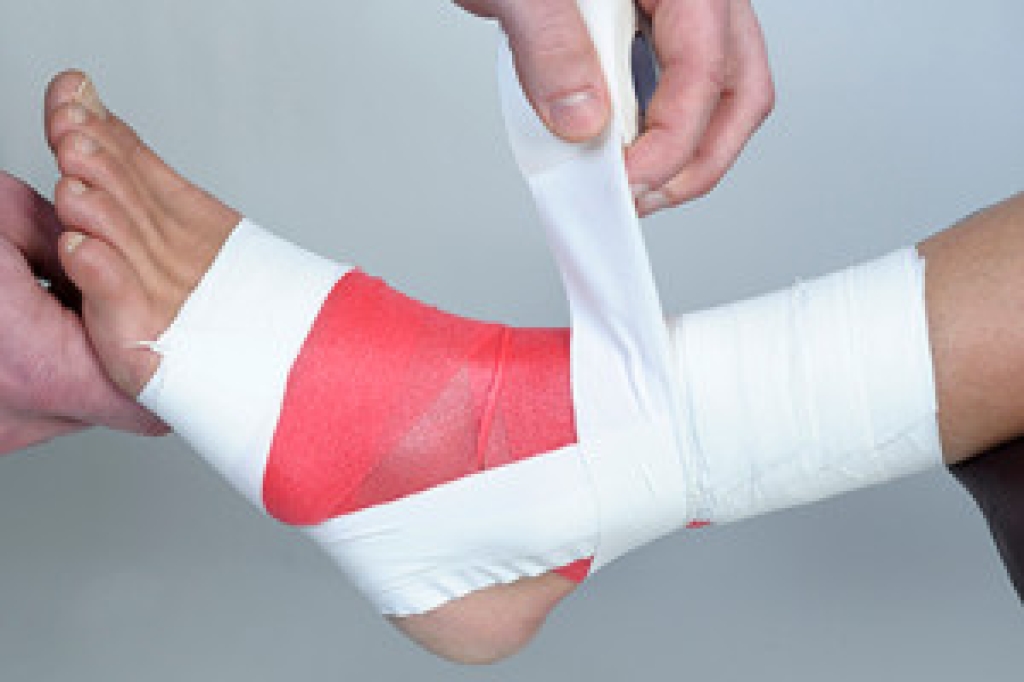

Read more about Ankle Sprains

Connect With Us