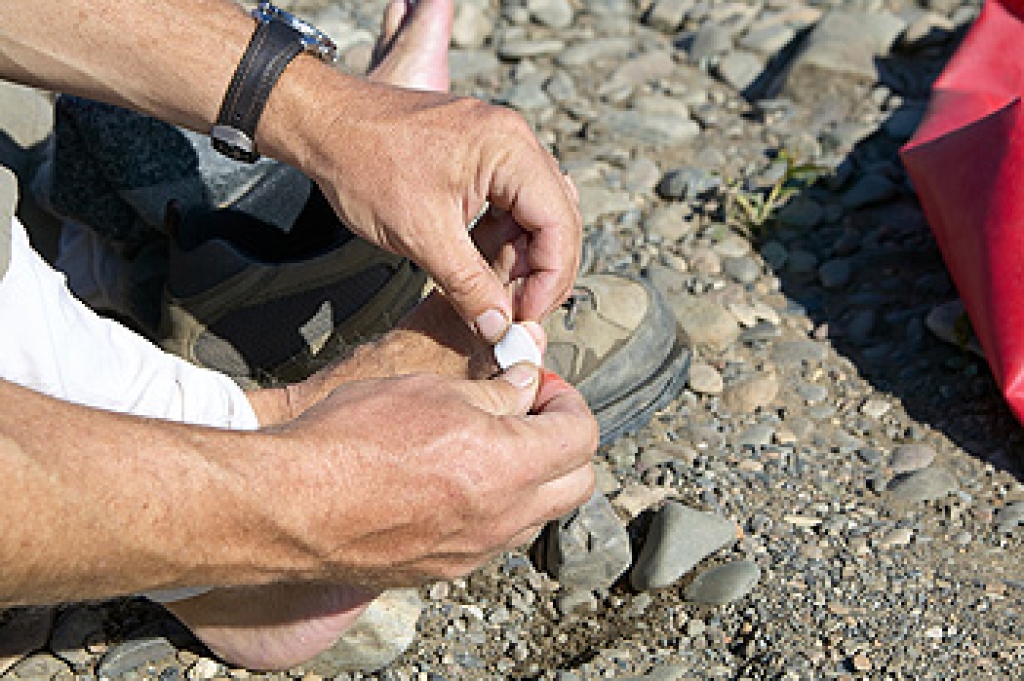
Foot blisters are a common issue for hikers and can quickly turn an enjoyable outing into a painful experience. A blister is a fluid-filled pocket that forms between layers of skin due to repeated friction, heat, and pressure. When hiking, the forefoot and heel are especially vulnerable because they hold most of the body weight and experience constant motion within the shoe. Skin hydration level plays a critical role in blister formation, as both overly dry and overly moist skin can increase friction and reduce the skin’s ability to resist shear forces.
Symptoms of foot blisters include redness, tenderness, and the development of a raised fluid filled area. In early stages, hikers may notice hot spots, which are areas of irritation that signal an impending blister. When the forefoot and heel are exposed to repeated stress, these hot spots can progress into painful blisters that make walking difficult. Hydrated zones of the foot, where moisture levels are balanced, are better able to withstand friction. However, excessive sweating can soften the skin, making it more prone to breakdown, while dry skin can crack and increase susceptibility to injury.
Risk factors for foot blisters include ill-fitting footwear, long hiking distances, and inadequate moisture control. Socks that do not wick moisture effectively can trap sweat and create a damp environment. Uneven terrain and downhill walking increase pressure on the forefoot, while uphill climbs place more strain on the heel. Poorly conditioned skin that is not accustomed to long hikes is also more likely to develop blisters. Understanding the relationship between hydration and friction is essential for prevention.
Preventing foot blisters involves maintaining proper skin hydration, wearing well fitting shoes, and using moisture wicking socks. Applying protective padding to high-risk areas like the heel and forefoot can reduce friction. Gradually increasing hiking intensity allows the skin to adapt and become more resilient. If you have frequent foot blisters from hiking, it is suggested that you consult a podiatrist for effective management and prevention tips.
Blisters may appear as a single bubble or in a cluster. They can cause a lot of pain and may be filled with pus, blood, or watery serum. If your feet are hurting, contact one of our podiatrists of Associates in Podiatry, PC. Our doctors can provide the care you need to keep you pain-free and on your feet.
Foot Blisters
Foot blisters are often the result of friction. This happens due to the constant rubbing from shoes, which can lead to pain.
What Are Foot Blisters?
A foot blister is a small fluid-filled pocket that forms on the upper-most layer of the skin. Blisters are filled with clear fluid and can lead to blood drainage or pus if the area becomes infected.
Symptoms
(Blister symptoms may vary depending on what is causing them)
- Bubble of skin filled with fluid
- Redness
- Moderate to severe pain
- Itching
Prevention & Treatment
In order to prevent blisters, you should be sure to wear comfortable shoes with socks that cushion your feet and absorb sweat. Breaking a blister open may increase your chances of developing an infection. However, if your blister breaks, you should wash the area with soap and water immediately and then apply a bandage to the affected area. If your blisters cause severe pain it is important that you call your podiatrist right away.
If you have any questions, please feel free to contact our offices located in Pittsburgh-South Hills, and Pittsburgh-Bellevue, PA . We offer the newest diagnostic and treatment technologies for all your foot care needs.
