Treatment Options for Hammertoe

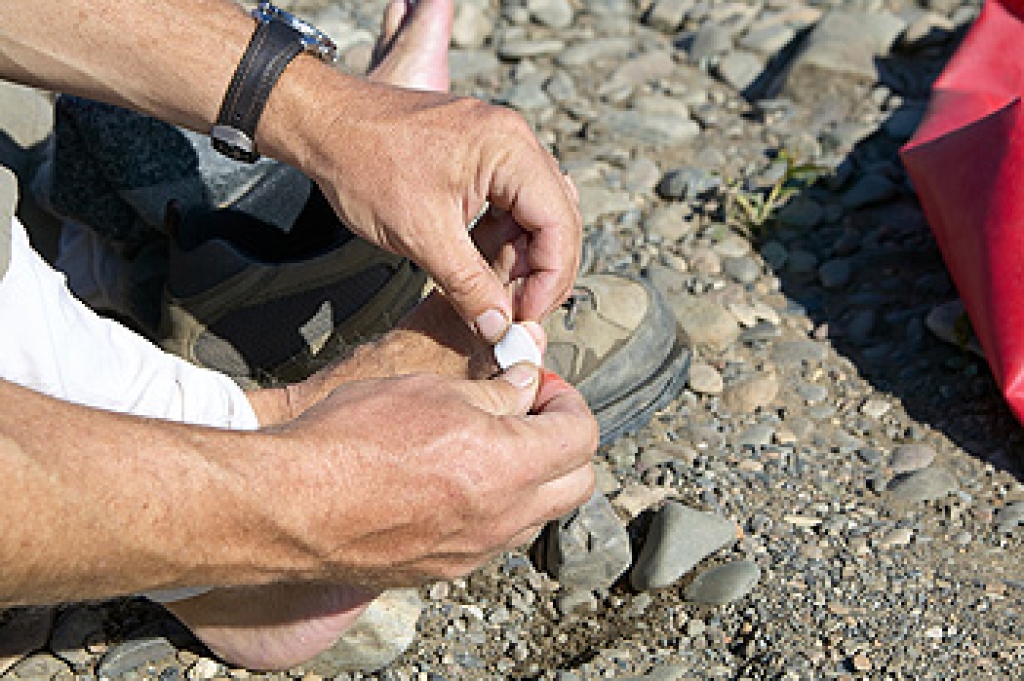
Hammertoe is a toe deformity in which one of the smaller toes bends abnormally at the middle joint, often causing rubbing, pressure, and discomfort while walking. Treatment depends on how flexible or advanced the condition has become. Early care may include footwear changes with a wider toe area to reduce crowding and irritation. Padding or protective supports may help relieve pressure points and reduce friction. Custom orthotics can improve foot mechanics when abnormal pressure contributes to the problem. If corns or calluses develop, a podiatrist can safely manage those painful areas. When the toe becomes rigid or pain interferes with daily movement, procedural correction may be considered to improve alignment and comfort. A podiatrist can determine which approach best fits the severity of the condition. If you have toe pain, shoe irritation, or visible toe bending, it is strongly suggested that you visit a podiatrist for an evaluation for effective relief and management tips.

Hammertoes can be a painful condition to live with. For more information, contact one of our podiatrists of Associates in Podiatry, PC. Our doctors will answer any of your foot- and ankle-related questions.

Hammertoe

Hammertoe is a foot deformity that occurs due to an imbalance in the muscles, tendons, or ligaments that normally hold the toe straight. It can be caused by the type of shoes you wear, your foot structure, trauma, and certain disease processes.

Symptoms

  • Painful and/or difficult toe movement
  • Swelling
  • Joint stiffness
  • Calluses/Corns
  • Physical deformity

Risk Factors

  • Age – The risk of hammertoe increases with age
  • Sex – Women are more likely to have hammertoe compared to men
  • Toe Length – You are more likely to develop hammertoe if your second toe is longer than your big toe
  • Certain Diseases – Arthritis and diabetes may make you more likely to develop hammertoe

Treatment

If you have hammertoe, you should change into a more comfortable shoe that provides enough room for your toes. Exercises such as picking up marbles may strengthen and stretch your toe muscles. Nevertheless, it is important to seek assistance from a podiatrist in order to determine the severity of your hammertoe and see which treatment option will work best for you.

If you have any questions, please feel free to contact our offices located in Pittsburgh-South Hills, and Pittsburgh-Bellevue, PA . We offer the newest diagnostic and treatment technologies for all your foot care needs.

Read more about Hammertoe

Wounds That Don't Heal Need to Be Checked

Your feet are covered most of the day. If you're diabetic, periodic screening is important for good health. Numbness is often a sign of diabetic foot and can mask a sore or wound.

When Foot Joint Pain Affects Your Workday

Foot and ankle osteoarthritis develops when the smooth cushioning within a joint gradually wears down, causing bones to move less comfortably against each other. This can lead to stiffness, swelling, aching, and reduced movement that may become more noticeable during a workday. Jobs that require standing, walking, climbing, or repeated lifting can become especially difficult, but even desk work may be uncomfortable when getting up after sitting for long periods of time. Some people begin changing how they walk to avoid pain, which can create strain in other areas. A podiatrist can assess which joints are affected and recommend treatment to improve comfort and function. Care may include supportive footwear guidance, custom inserts, bracing, targeted exercises, or other treatments based on symptom severity. Managing symptoms early may help you stay more active and productive at work. If foot or ankle joint pain is affecting your job, it is strongly suggested that you visit a podiatrist for an accurate diagnosis and appropriate treatment options.

Arthritis can be a difficult condition to live with. If you are seeking treatment, contact one of our podiatrists from Associates in Podiatry, PC. Our doctors can provide the care you need to keep you pain-free and on your feet.

Arthritic Foot Care  

Arthritis is a term that is commonly used to describe joint pain.  The condition itself can occur to anyone of any age, race, or gender, and there are over 100 types of it.  Nevertheless, arthritis is more commonly found in women compared to men, and it is also more prevalent in those who are overweight. The causes of arthritis vary depending on which type of arthritis you have. Osteoarthritis for example, is often caused by injury, while rheumatoid arthritis is caused by a misdirected immune system.

Symptoms

  • Swelling
  • Pain
  • Stiffness
  • Decreased Range of Motion

Arthritic symptoms range in severity, and they may come and go. Some symptoms stay the same for several years but could potentially get worse with time. Severe cases of arthritis can prevent its sufferers from performing daily activities and make walking difficult.

Risk Factors

  • Occupation – Occupations requiring repetitive knee movements have been linked to osteoarthritis
  • Obesity – Excess weight can contribute to osteoarthritis development
  • Infection – Microbial agents can infect the joints and trigger arthritis
  • Joint Injuries – Damage to joints may lead to osteoarthritis
  • Age – Risk increases with age
  • Gender –Most types are more common in women
  • Genetics – Arthritis can be hereditary

If you suspect your arthritis is affecting your feet, it is crucial that you see a podiatrist immediately. Your doctor will be able to address your specific case and help you decide which treatment method is best for you.

If you have any questions please feel free to contact our offices located in Pittsburgh-South Hills, and Pittsburgh-Bellevue, PA . We offer the newest diagnostic tools and technology to treat your foot and ankle needs.
Read more about How to Care for Your Arthritic Foot

Off-Loading for Diabetic Foot Ulcers

Off-loading is a key part of treating diabetic foot ulcers because it reduces pressure on the injured area, allowing the skin to heal. Diabetics may lose feeling in their feet resulting from nerve damage. This can lead to repeated pressure on one spot without them noticing pain. Such constant pressure can delay healing and increase the risk of infection. Off-loading works by shifting weight away from the ulcer with medical devices. These may include special boots, braces, or custom-made shoes that spread pressure more evenly across the foot. A podiatrist can evaluate the ulcer, check blood flow, and assess how pressure affects walking. Early care is important to prevent more serious complications and protect long-term foot health. If you have foot ulcers as a result of diabetes, it is suggested that you make an appointment with a podiatrist for a diagnosis and ongoing treatment.

Wound care is an important part in dealing with diabetes. If you have diabetes and a foot wound or would like more information about wound care for diabetics, consult with one of our podiatrists from Associates in Podiatry, PC. Our doctors will assess your condition and provide you with quality foot and ankle treatment.

What Is Wound Care?

Wound care is the practice of taking proper care of a wound. This can range from the smallest to the largest of wounds. While everyone can benefit from proper wound care, it is much more important for diabetics. Diabetics often suffer from poor blood circulation which causes wounds to heal much slower than they would in a non-diabetic. 

What Is the Importance of Wound Care?

While it may not seem apparent with small ulcers on the foot, for diabetics, any size ulcer can become infected. Diabetics often also suffer from neuropathy, or nerve loss. This means they might not even feel when they have an ulcer on their foot. If the wound becomes severely infected, amputation may be necessary. Therefore, it is of the upmost importance to properly care for any and all foot wounds.

How to Care for Wounds

The best way to care for foot wounds is to prevent them. For diabetics, this means daily inspections of the feet for any signs of abnormalities or ulcers. It is also recommended to see a podiatrist several times a year for a foot inspection. If you do have an ulcer, run the wound under water to clear dirt from the wound; then apply antibiotic ointment to the wound and cover with a bandage. Bandages should be changed daily and keeping pressure off the wound is smart. It is advised to see a podiatrist, who can keep an eye on it.

If you have any questions please contact our offices located in Pittsburgh-South Hills, and Pittsburgh-Bellevue, PA . We offer the newest diagnostic and treatment technologies for all your foot and ankle needs.

Read more about Wound Care

Types and Benefits of Orthotics

Orthotics are specially designed devices placed inside footwear to support, align, and improve the function of the feet and lower limbs. Off-the-shelf orthotics are prefabricated inserts that provide general support and cushioning for common foot issues. Functional foot orthoses are designed to correct abnormal movement patterns and improve biomechanics while walking or running. Custom molded total contact insoles are individually crafted to match the exact shape of the foot, offering precise support and pressure distribution. These devices can help treat plantar fasciitis, flat feet, heel pain, and overuse injuries. Benefits include improved comfort, better posture, reduced pain, and enhanced mobility. A podiatrist can assess foot structure and gait to recommend the most suitable orthotic option. If you have foot pain, it is suggested that you consult a podiatrist who can discuss the benefits of custom-made orthotics with you. 

If you are having discomfort in your feet and would like to try orthotics, contact one of our podiatrists from Associates in Podiatry, PC. Our doctors can provide the care you need to keep you pain-free and on your feet.

What Are Orthotics?

Orthotics are inserts you can place into your shoes to help with a variety of foot problems such as flat feet or foot pain. Orthotics provide relief and comfort for minor foot and heel pain but can’t correct serious biomechanical problems in your feet.

Over-the-Counter Inserts

Orthotics come in a wide variety of over-the-counter inserts that are used to treat foot pain, heel pain, and minor problems. For example, arch supports can be inserted into your shoes to help correct overarched or flat feet, while gel insoles are often used because they provide comfort and relief from foot and heel pain by alleviating pressure.

Prescription Orthotics

If over-the-counter inserts don’t work for you or if you have a more severe foot concern, it is possible to have your podiatrist prescribe custom orthotics. These high-quality inserts are designed to treat problems such as abnormal motion, plantar fasciitis, and severe forms of heel pain. They can even be used to help patients suffering from diabetes by treating foot ulcers and painful calluses and are usually molded to your feet individually, which allows them to provide full support and comfort.

If you are experiencing minor to severe foot or heel pain, it’s recommended to speak with your podiatrist about the possibilities of using orthotics. A podiatrist can determine which type of orthotic is right for you and allow you to take the first steps towards being pain-free.

If you have any questions, please feel free to contact our offices located in Pittsburgh-South Hills, and Pittsburgh-Bellevue, PA . We offer the newest diagnostic and treatment technologies for all your foot care needs.

Read more about Foot Orthotics

Connect With Us