Connect With Us

Bones are essential components of our skeletal system, providing support, facilitating movement, and safeguarding our internal organs. When a bone undergoes excessive force, resulting in a fracture, it can lead to pain, reduced function, bleeding, and injury in the affected area. A broken foot is no exception. There are different types of bone fractures, including closed and open fractures, greenstick fractures in children, and hairline fractures. Complicated fractures, comminuted or bone shattering fractures, and avulsion fractures can also be added to the list. A podiatrist will diagnose a foot fracture through X-rays, CT scans, or MRI scans. Treatment can include splints, braces and plaster casts. Additionally, undergoing traction and surgical procedures may also be viable treatment options. If you have broken your foot, it is strongly suggested that you make an appointment with a podiatrist who can determine that the best treatment method is for you.
A broken foot requires immediate medical attention and treatment. If you need your feet checked, contact one of our podiatrists from Associates in Podiatry, PC. Our doctors can provide the care you need to keep you pain-free and on your feet.
Broken Foot Causes, Symptoms, and Treatment
A broken foot is caused by one of the bones in the foot typically breaking when bended, crushed, or stretched beyond its natural capabilities. Usually the location of the fracture indicates how the break occurred, whether it was through an object, fall, or any other type of injury.
Common Symptoms of Broken Feet:
Those that suspect they have a broken foot shoot seek urgent medical attention where a medical professional could diagnose the severity.
Treatment for broken bones varies depending on the cause, severity and location. Some will require the use of splints, casts or crutches while others could even involve surgery to repair the broken bones. Personal care includes the use of ice and keeping the foot stabilized and elevated.
If you have any questions, please feel free to contact our offices located in Pittsburgh-South Hills, and Pittsburgh-Bellevue, PA . We offer the newest diagnostic and treatment technologies for all your foot care needs.

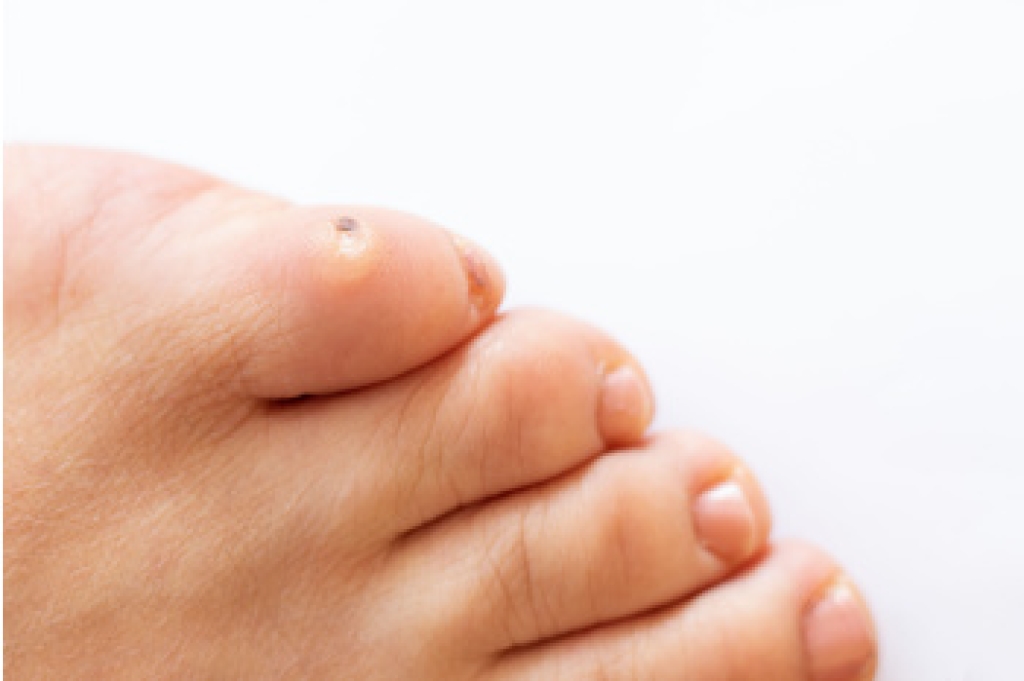
Gout is a form of inflammatory arthritis and emerges as an excruciating reminder of our lifestyle choices. Characterized by intense pain, redness, and swelling, gout often targets the joints, primarily the big toe. The underlying cause of gout lies in the accumulation of uric acid crystals within these joints, leading to sudden and severe flare-ups. These crystals form when there is an excess of uric acid in the bloodstream. This can be a result of a diet rich in purines, alcohol consumption, obesity, or even genetic predisposition. As these needle-like crystals jab into the joint, the body responds with inflammation, driving the typical symptoms of gout. Beyond the immediate agony, this condition serves as a reminder that moderation and balanced living play pivotal roles in safeguarding our joint health. If you have developed gout, it is strongly suggested that you are under the care of a podiatrist who can help you manage this condition.
Gout is a foot condition that requires certain treatment and care. If you are seeking treatment, contact one of our podiatrists from Associates in Podiatry, PC. Our doctors will treat your foot and ankle needs.
What Is Gout?
Gout is a type of arthritis caused by a buildup of uric acid in the bloodstream. It often develops in the foot, especially the big toe area, although it can manifest in other parts of the body as well. Gout can make walking and standing very painful and is especially common in diabetics and the obese.
People typically get gout because of a poor diet. Genetic predisposition is also a factor. The children of parents who have had gout frequently have a chance of developing it themselves.
Gout can easily be identified by redness and inflammation of the big toe and the surrounding areas of the foot. Other symptoms include extreme fatigue, joint pain, and running high fevers. Sometimes corticosteroid drugs can be prescribed to treat gout, but the best way to combat this disease is to get more exercise and eat a better diet.
If you have any questions, please feel free to contact our offices located in Pittsburgh-South Hills, and Pittsburgh-Bellevue, PA . We offer the newest diagnostic and treatment technologies for all your foot care needs.

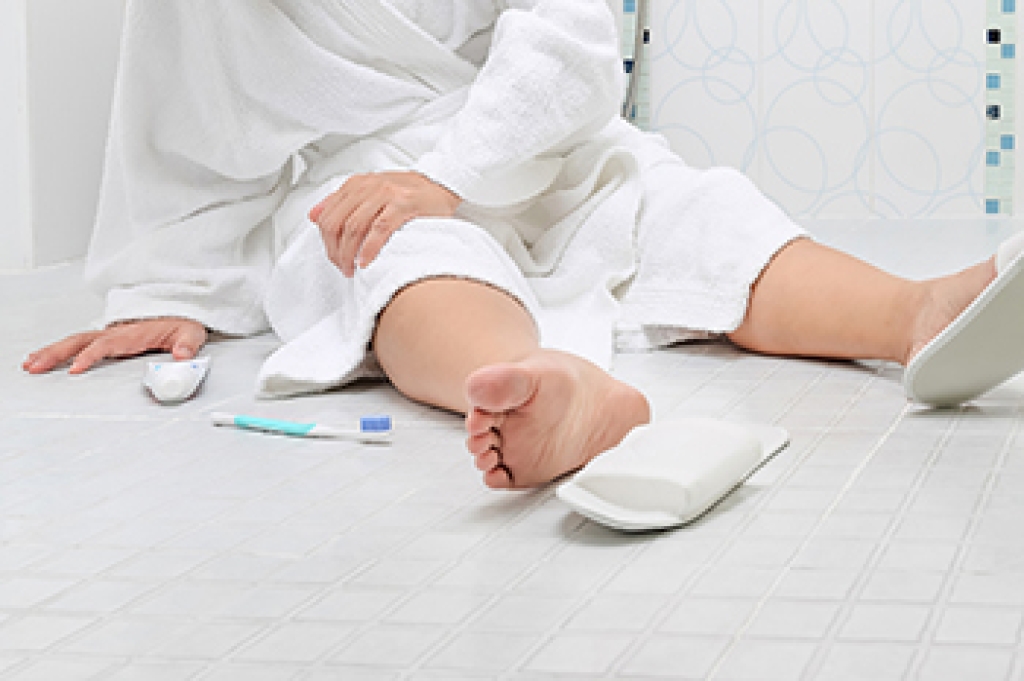
Ankle sprains, those unexpected and often painful disruptions, can leave us hobbling while attempting to complete daily activities. These occur when the ligaments connecting the ankle bones get stretched or torn due to sudden twists or turns. Participating in sports activities, walking on uneven surfaces, and wearing ill-fitting footwear can contribute to these mishaps. Symptoms can include pain, swelling, and difficulty walking. Early intervention is crucial for effective recovery. Rest, compression, and elevation are initial steps that can help to reduce pain and swelling. Gentle exercises, prescribed by a podiatrist, can aid in restoring strength and flexibility. In severe cases, immobilization with a brace or cast may be necessary. Ensuring proper care and treatment fosters a smooth healing journey, allowing individuals to step back into their routine with renewed confidence. If you have endured an ankle sprain, it is suggested that you speak with a podiatrist who can guide you toward the correct treatment.
Although ankle sprains are common, they aren’t always minor injuries. If you need your ankle injury looked at, contact one of our podiatrists from Associates in Podiatry, PC. Our doctors can provide the care you need to keep you pain-free and on your feet.
How Does an Ankle Sprain Occur?
Ankle sprains are the result of a tear in the ligaments within the ankle. These injuries may happen when you make a rapid shifting movement while your foot is planted. A less common way to sprain your ankle is when your ankle rolls inward while your foot turns outward.
What Are the Symptoms?
Preventing a Sprain
Treatment of a Sprain
In many cases, the RICE method (Rest, Ice, Compression, and Elevate) is used to treat ankle sprains. However, you should see a podiatrist to see which treatment option would work best with your injury. In severe cases, surgery may be required.
It is important to ask your doctor about rehab options after you receive treatment for your injury. Stretching, strength training, and balance exercises may help the ankle heal while also preventing further injury.
If you have any questions, please feel free to contact our offices located in Pittsburgh-South Hills, and Pittsburgh-Bellevue, PA . We offer the newest diagnostic and treatment technologies for all your foot care needs.
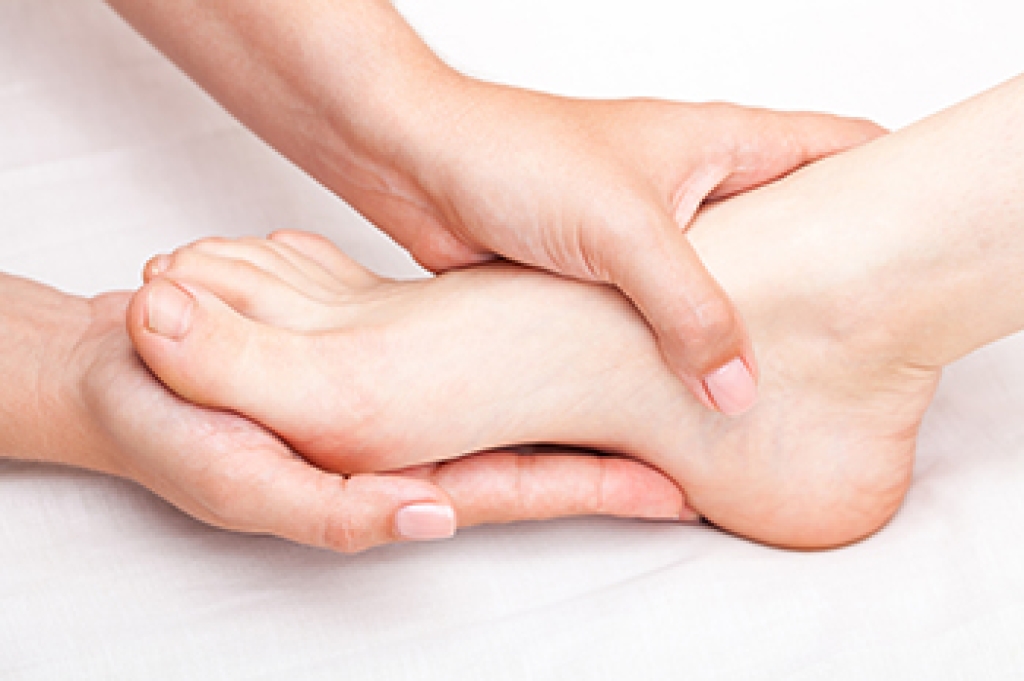
Plantar fasciitis is a persistent foot ailment causing discomfort and pain. Relief may be found when performing targeted exercises that are aimed at alleviating symptoms. Gentle stretching exercises play a pivotal role in relieving tension and promoting healing. Calf stretches, where the heel is lowered off an elevated surface, can effectively stretch the Achilles tendon and plantar fascia. Rolling a frozen water bottle under the arch of the foot provides a soothing massage, reducing inflammation. Towel curls, and scrunching a towel with your toes, can help to strengthen the muscles supporting the arch. Additionally, using your toes to grip and lift marbles off the floor can enhance dexterity. Consistency and proper technique are key to deriving benefits from these exercises, offering a proactive approach to easing the strain of plantar fasciitis. If you have plantar fasciitis, it is suggested that you visit a podiatrist who can provide you with additional stretching techniques.
Plantar fasciitis is a common foot condition that is often caused by a strain injury. If you are experiencing heel pain or symptoms of plantar fasciitis, contact one of our podiatrists from Associates in Podiatry, PC. Our doctors can provide the care you need to keep you pain-free and on your feet.
What Is Plantar Fasciitis?
Plantar fasciitis is one of the most common causes of heel pain. The plantar fascia is a ligament that connects your heel to the front of your foot. When this ligament becomes inflamed, plantar fasciitis is the result. If you have plantar fasciitis you will have a stabbing pain that usually occurs with your first steps in the morning. As the day progresses and you walk around more, this pain will start to disappear, but it will return after long periods of standing or sitting.
What Causes Plantar Fasciitis?
There are some risk factors that may make you more likely to develop plantar fasciitis compared to others. The condition most commonly affects adults between the ages of 40 and 60. It also tends to affect people who are obese because the extra pounds result in extra stress being placed on the plantar fascia.
Prevention
There are a variety of treatment options available for plantar fasciitis along with the pain that accompanies it. Additionally, physical therapy is a very important component in the treatment process. It is important that you meet with your podiatrist to determine which treatment option is best for you.
If you have any questions, please feel free to contact our offices located in Pittsburgh-South Hills, and Pittsburgh-Bellevue, PA . We offer the newest diagnostic and treatment technologies for all your foot care needs.
Connect With Us