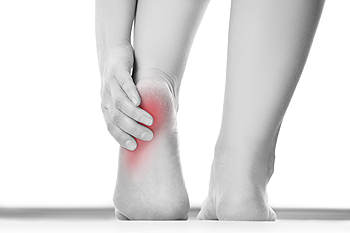
HPV and Plantar Warts

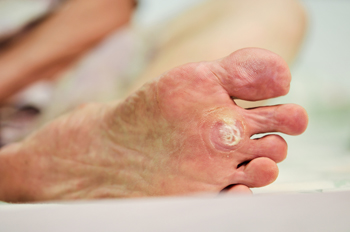
The human papillomavirus (HPV) is responsible for many kinds of conditions from simple warts to cancer. In plantar warts, the virus invades the sole of the feet by entering the body through tiny cracks or cuts in the skin and causing circular warts with the appearance of callused skin to form. Plantar warts can grow individually, or cluster in what is called a mosaic. Each wart usually has a tiny black dot in the center, which is actually dried blood in the minuscule capillary that feeds the wart with blood. Plantar warts can be very painful due to pressure placed on them during walking and running and can multiply or get larger without treatment. Because plantar warts are very hearty and home treatments are often ineffective or risky (especially for people with diabetes or neuropathy), professional treatment from a podiatrist is suggested.

Plantar warts can be very uncomfortable. If you need your feet checked, contact one of our podiatrists from Associates in Podiatry, PC. Our doctors will assist you with all of your foot and ankle needs.

About Plantar Warts

Plantar warts are the result of HPV, or human papillomavirus, getting into open wounds on the feet. They are mostly found on the heels or balls of the feet.

While plantar warts are generally harmless, those experiencing excessive pain or those suffering from diabetes or a compromised immune system require immediate medical care. Plantar warts are easily diagnosed, usually through scraping off a bit of rough skin or by getting a biopsy.

Symptoms

  • Lesions on the bottom of your feet, usually rough and grainy
  • Hard or thick callused spots
  • Wart seeds, which are small clotted blood vessels that look like little black spots
  • Pain, discomfort, or tenderness of your feet when walking or standing

Treatment

  • Freezing
  • Electric tool removal
  • Laser Treatment
  • Topical Creams (prescription only)
  • Over-the-counter medications

To help prevent developing plantar warts, avoid walking barefoot over abrasive surfaces that can cause cuts or wounds for HPV to get into. Avoiding direct contact with other warts, as well as not picking or rubbing existing warts, can help prevent the further spread of plantar warts. However, if you think you have developed plantar warts, speak to your podiatrist. He or she can diagnose the warts on your feet and recommend the appropriate treatment options.

If you have any questions please feel free to contact our offices located in Pittsburgh-South Hills, and Pittsburgh-Bellevue, PA . We offer the newest diagnostic and treatment technologies for all your foot and ankle needs.

Read more about All About Plantar Warts

Keep Your Feet Healthy So You Can Stay Active

Have your feet inspected by a professional before starting a new sport or physical activity. Taking charge of your foot health will keep you in good physical condition and can help you avoid a potential injury, such as a fracture or sprained ankle.

Prevent injuries and see a foot specialist.

How to Get Your Baby Started on the Right Foot

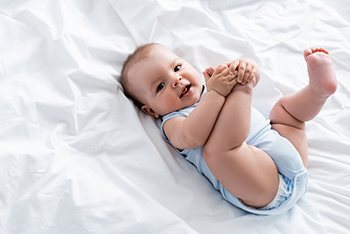
Having healthy feet is a lifelong journey, and developing a foot care program for your child can start at birth. One way babies develop muscle strength is by kicking and wiggling their feet and legs. So it’s a good idea to avoid constricting bed covers and footwear. It is thought that going barefoot helps the child’s feet develop properly. If your baby wears socks or one-piece outfits with feet, be sure to check them frequently to make sure they are not too tight around the toes. It’s also important to keep the baby's feet clean and dry daily. Here are a few things to look for as your child gets older: turning the foot in or out, not walking independently by around 18 months, frequent tripping and falling, still walking on toes by age 3, skin rashes, bumps, or other foot problems. It is a good idea to start early with a visit to a podiatrist who can examine your child’s feet and deal with any problems that may arise as he or she grows.

Making sure that your children maintain good foot health is very important as they grow. If you have any questions, contact one of our podiatrists of Associates in Podiatry, PC. Our doctors can provide the care you need to keep you pain-free and on your feet.

Keeping Children's Feet Healthy

Having healthy feet during childhood can help prevent medical problems later in life, namely in the back and legs. As children grow, their feet require different types of care. Here are some things to consider...

Although babies do not walk yet, it is still very important to take care of their feet.

Avoid putting tight shoes or socks on his or her feet.

Allow the baby to stretch and kick his or her feet to feel comfortable.

As a toddler, kids are now on the move and begin to develop differently. At this age, toddlers are getting a feel for walking, so don’t be alarmed if your toddler is unsteady or ‘walks funny’. 

As your child gets older, it is important to teach them how to take care of their feet.

Show them proper hygiene to prevent infections such as fungus.

Be watchful for any pain or injury.

Have all injuries checked by a doctor as soon as possible.

Comfortable, protective shoes should always be worn, especially at play.

If you have any questions please feel free to contact our offices located in Pittsburgh-South Hills, and Pittsburgh-Bellevue, PA . We offer the newest diagnostic and treatment technologies for all your foot and ankle needs.
Read more about What to Do to Keep Your Child’s Feet Healthy

Healthy Weight Equals Happy Feet

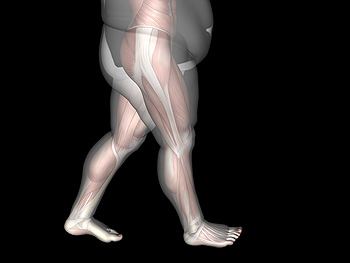
Individuals with a body mass index (BMI) that is more than 30 are considered to be obese. Obesity is believed to go hand in hand with certain foot disorders such as heel pain, tendonitis, arthritis, and other conditions caused from the stress of excess weight placed on the feet and ankles. Obesity can also put a person at risk for type II diabetes, which often leads to the development of other foot conditions. Losing weight can help reduce excess pressure on the feet and ankles, however exercising can be difficult when your feet are in pain. A podiatrist can treat foot conditions brought on by obesity and help alleviate foot pain by suggesting specific stretches and prescribing custom orthotics.

Obesity has become very problematic at this point in time and can have extremely negative effects on the feet. If you’re an obese individual and are concerned about your feet, contact one of our podiatrists from Associates in Podiatry, PC. Our doctors can provide the care you need to keep you pain-free and on your feet.

Obesity and Your Feet

Since your feet are what support your entire weight when standing, any additional weight can result in pain and swelling. Being overweight is one of the main contributors to foot complications.

Problems & Complications

Extra Weight – Even putting on just a few extra pounds could create serious complications for your feet. As your weight increases, your balance and body will shift, creating new stresses on your feet. This uneven weight distribution can cause pain, even while doing the simplest tasks, such as walking.

Diabetes – People who are overweight are at serious risk of developing type-2 diabetes, which has a drastic impact on the health of your feet. As you get older, your diabetes might worsen, which could lead to loss of feeling in your feet, sores, and bruises. You could also become more prone to various infections.

Plantar fasciitis – Pressure and stress that is placed on muscles, joints, and tendons can trigger plantar fasciitis, which is an inflammation of tissue that forms along the bottom of the foot. 

If you have any questions please feel free to contact our offices located in Pittsburgh-South Hills, and Pittsburgh-Bellevue, PA . We offer the newest diagnostic and treatment technologies for all your foot and ankle needs.
Read more about How Obesity Affects Your Feet

Giving the Boot to Foot and Ankle Injuries in Women

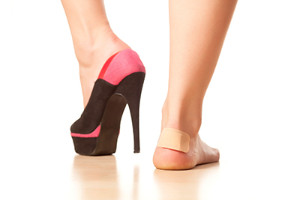
In the ice, snow, and cold of winter, women frequently will wear boots rather than shoes. But some boots may be more dangerous than others. Boots with high or spiked heels and pointy toes may put the wearer more at risk on slippery surfaces. If your ankle rolls inward or outward, it could result in a fracture. Twisting your ankle can cause a sprain – a torn or stretched ligament. To avoid winter foot injuries, try low-heeled boots with traction soles, and avoid wearing high-heeled shoes outdoors. If you have fallen and hurt your foot or ankle, it is a good idea to make an appointment with a podiatrist who can examine the injured area and recommend options for treatment.  

High heels have a history of causing foot and ankle problems. If you have any concerns about your feet or ankles, contact one of our podiatrists from Associates in Podiatry, PC. Our doctors can provide the care you need to keep you pain-free and on your feet.

Effects of High Heels on the Feet

High heels are popular shoes among women because of their many styles and societal appeal.  Despite this, high heels can still cause many health problems if worn too frequently.

Which Parts of My Body Will Be Affected by High Heels?

  • Ankle Joints
  • Achilles Tendon – May shorten and stiffen with prolonged wear
  • Balls of the Feet
  • Knees – Heels cause the knees to bend constantly, creating stress on them
  • Back – They decrease the spine’s ability to absorb shock, which may lead to back pain.  The vertebrae of the lower back may compress.

What Kinds of Foot Problems Can Develop from Wearing High Heels?

  • Corns
  • Calluses
  • Hammertoe
  • Bunions
  • Morton’s Neuroma
  • Plantar Fasciitis

How Can I Still Wear High Heels and Maintain Foot Health?

If you want to wear high heeled shoes, make sure that you are not wearing them every day, as this will help prevent long term physical problems.  Try wearing thicker heels as opposed to stilettos to distribute weight more evenly across the feet.  Always make sure you are wearing the proper shoes for the right occasion, such as sneakers for exercising.  If you walk to work, try carrying your heels with you and changing into them once you arrive at work.  Adding inserts to your heels can help cushion your feet and absorb shock. Full foot inserts or metatarsal pads are available. 

If you have any questions please feel free to contact our offices located in Pittsburgh-South Hills, and Pittsburgh-Bellevue, PA . We offer the newest diagnostic and treatment technologies for all your foot and ankle needs.
Read more about Effect of High Heels on the Feet

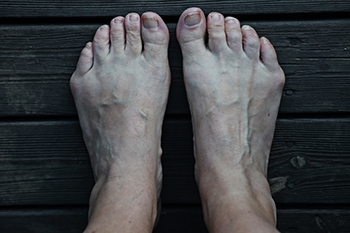
What Is a Bunionette?

Many people have seen, or experienced, a bunion on the big toe. But a less common type of bunion, which can form at the base of the little toe, is often referred to as a bunionette. It can be very painful, especially if it frequently rubs against a tight-fitting shoe. A bunionette usually occurs when the metatarsal bone of the midfoot angles outward and the little toe points inward and becomes deformed at its base. Simple treatments are often successful, such as wearing shoes with a wider toe box, using a toe spacer between the 4th and 5th toe, or simply padding the area to reduce irritation from your shoes. It may also help to do less standing or walking. If these measures fail to bring relief and the pain from a bunionette increases, it is best to consult a podiatrist who can X-ray your foot and offer a treatment plan that is appropriate.

If you are suffering from bunions, contact one of our podiatrists of Associates in Podiatry, PC. Our doctors can provide the care you need to keep you pain-free and on your feet.

What Is a Bunion?

A bunion is formed of swollen tissue or an enlargement of boney growth, usually located at the base joint of the toe that connects to the foot. The swelling occurs due to the bones in the big toe shifting inward, which impacts the other toes of the foot. This causes the area around the base of the big toe to become inflamed and painful.

Why Do Bunions Form?

Genetics – Susceptibility to bunions are often hereditary

Stress on the feet – Poorly fitted and uncomfortable footwear that places stress on feet, such as heels, can worsen existing bunions

How Are Bunions Diagnosed?

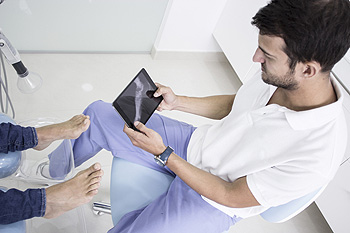
Doctors often perform two tests – blood tests and x-rays – when trying to diagnose bunions, especially in the early stages of development. Blood tests help determine if the foot pain is being caused by something else, such as arthritis, while x-rays provide a clear picture of your bone structure to your doctor.

How Are Bunions Treated?

  • Refrain from wearing heels or similar shoes that cause discomfort
  • Select wider shoes that can provide more comfort and reduce pain
  • Anti-inflammatory and pain management drugs
  • Orthotics or foot inserts
  • Surgery

If you have any questions, please feel free to contact our offices located in Pittsburgh-South Hills, and Pittsburgh-Bellevue, PA . We offer the newest diagnostic and treatment technologies for all your foot care needs.

Read more about Bunions

Get Professional Care for a Broken Foot or Ankle

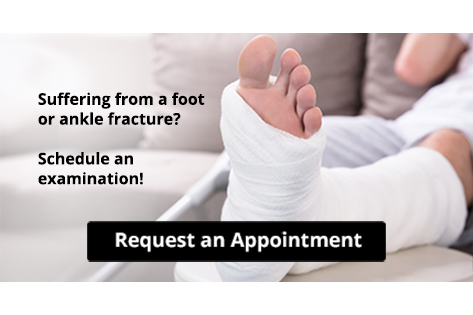
Constant care and regular evaluation are important for a foot or ankle fracture. If left untreated, foot or ankle fractures can worsen over time and create more serious problems.

Don't wait to be examined if you believe you've experienced a foot or ankle fracture.

How a Podiatrist Can Help You

Podiatrists are medical doctors who focus on treating issues with the lower legs, ankles and feet. They can do surgery, reset bones that are broken, and write prescriptions. Podiatrists are also helpful for diabetic patients because diabetes can prevent them from getting enough blood to the feet. Because of this, regular podiatrist visits can help to prevent severe issues and even amputation. Podiatrists can help patients with a variety of foot related issues, such as heel pain, warts, calluses, ingrown toenails, fungal nail infections, and even athlete’s foot. Podiatrists can also treat injuries to the foot and ankles, including sports injuries like sprains. Patients who have any issues with their feet would be wise to consult with a podiatrist for a proper diagnosis and treatment method.

If you are experiencing pain in the feet or ankles, don’t join the stubborn majority refusing treatment. Feel free to contact one of our podiatrists from Associates in Podiatry, PC. Our doctors can provide the care you need to keep you pain-free and on your feet.

What Is a Podiatrist?

Someone would seek the care of a podiatrist if they have suffered a foot injury or have common foot ailments such as heal spurs, bunions, arch problems, deformities, ingrown toenails, corns, foot and ankle problems, etc.

Podiatric Treatment

A podiatrist will treat the problematic areas of the feet, ankle or lower leg by prescribing the following:

  • Physical therapy
  • Drugs
  • Orthotic inserts or soles
  • Surgery on lower extremity fractures

A common podiatric procedure a podiatrist will use is a scanner or force plate which will allow the podiatrist to know the designs of orthotics. Patients are then told to follow a series of tasks to complete the treatment. The computer will scan the foot a see which areas show weight distribution and pressure points. The podiatrist will read the analysis and then determine which treatment plans are available.

If you have any questions please feel free to contact our offices located in Pittsburgh-South Hills, and Pittsburgh-Bellevue, PA . We offer the newest diagnostic and treatment technologies for all your foot and ankle needs.
Read more about What is a Podiatrist?

What Causes My Feet to Smell Bad?

Foot odor is typically caused by too much sweat being produced by the glands in the feet. Each foot has about a quarter of a million sweat glands that produce around a cup of sweat a day. When bacteria from the soles of the feet are combined with sweat, an odor may develop. Causes include not washing your feet daily, wearing the same socks day after day, and wearing shoes so tight that they don’t allow the sweat to evaporate. In addition, a fungal infection can cause foot odor, and hyperhidrosis, a condition known as sweaty feet, can exacerbate the problem. To reduce existing foot odor, it’s a good idea to wash your feet daily with antibacterial soap and dry them thoroughly. You can also use an antiperspirant spray or powder on your feet. Change your socks every day, and give your shoes at least a day to air out before wearing them again. If, after taking these precautions, the odor lingers, it is suggested that you see a podiatrist who can examine the area and offer a more in-depth treatment plan.

Everyday foot care is very important to prevent infection and other foot ailments. If you need your feet checked, contact one of our podiatrists from Associates in Podiatry, PC. Our doctors can provide the care you need to keep you pain-free and on your feet.

Everyday Foot Care

Often, people take care of their bodies, face and hair more so than they do for their feet. But the feet are a very important aspect of our bodies, and one that we should pay more attention to. Without our feet, we would not be able to perform most daily tasks.

It is best to check your feet regularly to make sure there are no new bruises or cuts that you may not have noticed before. For dry feet, moisturizer can easily be a remedy and can be applied as often as necessary to the affected areas. Wearing shoes that fit well can also help you maintain good foot health, as well as making it easier to walk and do daily activities without the stress or pain of ill-fitting shoes, high heels, or even flip flops. Wearing clean socks with closed shoes is important to ensure that sweat and bacteria do not accumulate within the shoe. Clean socks help to prevent Athlete’s foot, fungi problems, bad odors, and can absorb sweat.

If you have any questions please feel free to contact our offices located in Pittsburgh-South Hills, and Pittsburgh-Bellevue, PA . We offer the newest diagnostic and treatment technologies for all your foot and ankle needs.
Read more about Every Day Foot Care

The Basics of Plantar Fasciitis 

Plantar fasciitis occurs when the plantar fascia—a long fibrous tissue spanning the sole of the foot—becomes damaged or torn due to overuse, obesity, or structural issues with the foot. Pain and stiffness from plantar fasciitis is typically worse in the morning upon waking, and gets better as the body warms up. You can help prevent plantar fasciitis from occurring by warming up before exercising, wearing shoes that fit well with structure in the heel and support in the arch, and gradually build up duration and intensity when modifying your workout routine. If you have pain in your heel, make an appointment with a podiatrist for an accurate diagnosis and treatment plan.

Plantar fasciitis can be very painful and inconvenient. If you are experiencing heel pain or symptoms of plantar fasciitis, contact one of our podiatrists  from Associates in Podiatry, PC. Our doctors can provide the care you need to keep you pain-free and on your feet.

What Is Plantar Fasciitis?

Plantar fasciitis is the inflammation of the thick band of tissue that runs along the bottom of your foot, known as the plantar fascia, and causes mild to severe heel pain.

What Causes Plantar Fasciitis?

  • Excessive running
  • Non-supportive shoes
  • Overpronation
  • Repeated stretching and tearing of the plantar fascia

How Can It Be Treated?

  • Conservative measures – anti-inflammatories, ice packs, stretching exercises, physical therapy, orthotic devices
  • Shockwave therapy – sound waves are sent to the affected area to facilitate healing and are usually used for chronic cases of plantar fasciitis
  • Surgery – usually only used as a last resort when all else fails. The plantar fascia can be surgically detached from the heel

While very treatable, plantar fasciitis is definitely not something that should be ignored. Especially in severe cases, speaking to your doctor right away is highly recommended to avoid complications and severe heel pain. Your podiatrist can work with you to provide the appropriate treatment options tailored to your condition.

If you have any questions please feel free to contact our offices located in Pittsburgh-South Hills, and Pittsburgh-Bellevue, PA . We offer the newest diagnostic and treatment technologies for all your foot and ankle needs.

Read more about Plantar Fasciitis

Connect With Us